
Best Campgrounds Near Great Smoky Mountains National Park (2026 Guide)


The real decision usually comes down to four factors: location, campsite type, reservation timing, and amenities. Great Smoky Mountains National Park spans both Tennessee and North Carolina, and that split matters. A campground that looks close on a map can still be to minutes from the trailheads, towns, or scenic drives you care about most.
We researched top official sources, including NPS campground pages, Recreation.gov, and regional tourism data for 2026. Based on our analysis, the park remains the most-visited national park in the United States, drawing more than million annual visitors according to the National Park Service. That visitor volume explains why prime summer and fall dates disappear so quickly.
- Most-visited U.S. national park: over million annual visits
- Two-state access: major entrances from Tennessee and North Carolina
- Best fit depends on trip style: family camping, RV camping, backcountry permits, or quiet nature trails
You’ll get specific campsite picks, RV rules, reservation steps, safety guidance, camp cooking tips, nearby towns like Pigeon Forge, Gatlinburg, and Cherokee, plus exact next steps to book on Recreation.gov in 2026. We found that the right campground choice can save you hours of driving and make or break the trip.
Quick Checklist — How to pick where to camp in the Smokies (exact 6-step process for featured snippet)
If you want the fastest answer to https://www.mysmokymountainpark.com/where-to-stay-camp-eat/camping-rv-parks/where-should-i-camp-in-smoky/, use this six-step process. We researched campsite features in and recommend this checklist because it mirrors how experienced Smokies campers actually choose sites.
- Choose your zone. Pick West for Cades Cove and wildlife, North for Elkmont and central trail access, South for Smokemont and Cherokee history, or East for Cataloochee’s quiet setting.
- Match the campsite type. Decide between drive-in tent sites, RV camping, or backcountry permits. A family with kids usually does better in developed campgrounds than in remote shelters.
- Check hookups and dump stations. Electric hookups are rare inside the park. Dump stations are the bigger issue. Smokemont and Cades Cove are the two names most RV travelers search first, but always verify current facility status on Recreation.gov and NPS pages.
- Verify RV size restrictions. Some campground loops and park roads work better for smaller rigs. Check maximum site length, trailer accommodation, and whether the site is back-in or pull-in before booking.
- Book early and confirm permits. Many developed campgrounds can open reservations roughly six months ahead on Recreation.gov, and peak weekends often sell out months early.
- Pack bear-safe and weather-ready gear. Bring food storage supplies, rain layers, lighting, and a first-aid kit. The Smokies are humid, storms can build quickly, and bear awareness is non-negotiable.
As a rule of thumb, larger campgrounds like Elkmont and Smokemont offer more total campsites, while smaller options like Cataloochee and Look Rock are harder to grab on peak dates simply because there are fewer spaces. We found that campers who choose their zone first usually avoid the most common mistake: booking a site that’s far from the hikes and scenic drives they actually planned to do.
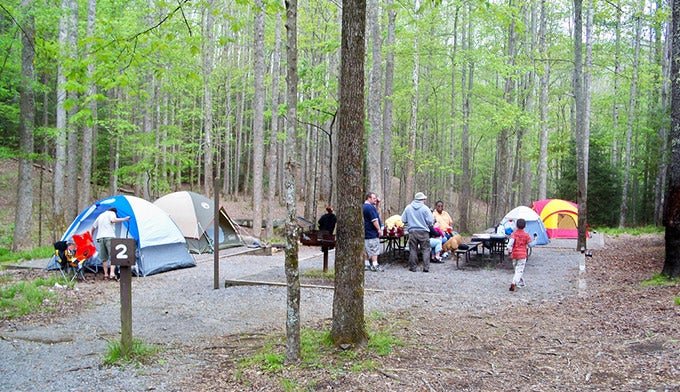

Best campgrounds by park area — Deep Creek, Smokemont, Cades Cove, Cataloochee, Elkmont and more
The best campground is the one that matches your entrance, hiking plans, vehicle size, and tolerance for crowds. Below are the major contenders campers compare most often in Great Smoky Mountains National Park.
We analyzed location, approximate campsite count, RV access, nearby hiking trails, and booking patterns. For most travelers, the deciding factor is not beauty alone. It’s how much driving you avoid each day and whether your site works for your tent, trailer, or motorhome.
Deep Creek Campground (Southeast)
Deep Creek Campground is one of the best picks on the North Carolina side if you want easy access to waterfalls, tubing, and short family-friendly nature trails. It has roughly 90+ sites and works well for tent campers and smaller RV setups, but you need to check exact length restrictions before booking. Peak demand usually rises from late spring through October, especially on weekends.
The big draw here is proximity to Deep Creek Trail, Indian Creek Trail, and the park’s popular waterfall loop to Tom Branch Falls, Juney Whank Falls, and Indian Creek Falls. Families like it because kids can play in the creek and the walks are relatively approachable compared with steeper Smokies routes.
- Best for: families, tubing, waterfalls, shorter hikes
- RV accessibility: limited by site size; check Recreation.gov filters carefully
- Hookups: generally no full hookups inside the park
- Photo idea: early morning creek scene with footbridge and rising fog
Reservations may be available seasonally via Recreation.gov depending on site and operating schedule. If you want a quieter Smokies base with easy access to Bryson City services, we found Deep Creek consistently ranks high.
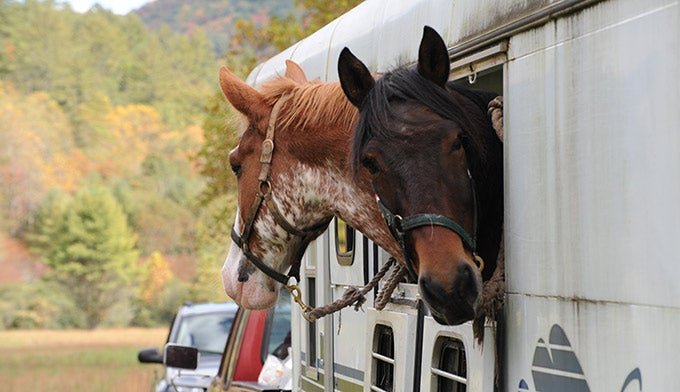

Smokemont Campground (South/Oconaluftee River area)
Smokemont Campground is one of the most practical all-around campgrounds in the park, with roughly 140+ sites and a strong location near the Oconaluftee River, the Mountain Farm Museum, and Cherokee. If you want history, river access, and an easy launch point into the southern Smokies, this is a smart choice.
Nearby highlights include the Oconaluftee River Trail, Mingus Mill area, and quick access to Newfound Gap Road. That means you can explore high-elevation overlooks by day and still be back at camp without a brutal drive. In our experience, that balance makes Smokemont especially attractive for first-time visitors on the North Carolina side.
- Best for: mixed-use trips, Cherokee access, history, river scenery
- RV accessibility: better than many smaller park campgrounds
- Electric hookups: rare; verify current site details
- Dump station: commonly one of the key in-park RV service points to confirm before travel
- Photo idea: Oconaluftee River at golden hour with tents in the trees
Smokemont is typically reservable on Recreation.gov. If your trip includes Cherokee cultural stops and lower-stress access to amenities outside the park, this is one of the best campground choices for 2026.
Cades Cove Campground (West)
Cades Cove Campground is the west-side favorite for wildlife viewing, valley scenery, and direct access to the famous Cades Cove Loop. It has roughly 150+ sites, making it one of the larger developed campgrounds in the park. Deer, turkey, and black bear sightings are part of the appeal, especially near sunrise and dusk.
Hikers can reach trails like Abrams Falls, and cyclists love the surrounding area when vehicle-free biking windows are scheduled. This is one of the best places to camp if your idea of the Smokies is broad meadow views, historic churches, and a strong chance of seeing wildlife without hiking deep into the backcountry.
- Best for: wildlife, photography, valley views, scenic drives
- RV accessibility: possible for many rigs, but site-specific size checks matter
- Dump station: often a major point of interest for RV campers; verify annual operations
- Peak months: June through October, with fall color weekends especially competitive
- Photo idea: dawn shot on the loop road with mist and grazing deer
Cades Cove Campground is usually reservable and can sell out far in advance. Based on our research, it’s one of the hardest in-park sites to get for October weekends.

Cataloochee Campground (East)
Cataloochee Campground is smaller, quieter, and a favorite among campers who want distance from the heaviest crowds. It typically has only around 25 to sites, which is tiny by Smokies standards. That limited inventory is exactly why it feels peaceful.
The area is known for elk viewing and historic structures in Cataloochee Valley. Roads into Cataloochee can be narrow and winding, so this is usually better for tents, vans, and smaller trailer setups than for big rigs. You need to take road conditions seriously, especially after rain or shoulder-season weather shifts.
- Best for: quiet camping, elk viewing, photographers
- RV accessibility: limited; smaller units do better
- Hookups: generally not expected in this part of the park
- Photo idea: elk in the valley with morning fog
If you value solitude more than convenience, Cataloochee is one of the strongest hidden gems in Great Smoky Mountains National Park.
Elkmont Campground (North)
Elkmont Campground is often the most strategic campground in the park because of its location near Gatlinburg and central road access. It is also one of the largest, with roughly 200 sites. That scale gives you more inventory than smaller campgrounds, but it also means heavy competition because Elkmont is close to so many high-demand hikes.
Nearby trails include Little River Trail, access toward Laurel Falls, and routes that connect you with some of the park’s busiest but most rewarding destinations. Families and first-timers choose Elkmont because it reduces daily driving. You can spend more time hiking and less time crossing the park.
- Best for: central access, families, first-time campers
- RV accessibility: moderate, with site-by-site restrictions
- Peak months: summer and fall, especially weekends
- Photo idea: riverside site under tall trees after rain
Because Elkmont sits so close to Gatlinburg services, it works well if you want a park feel without being too far from groceries, gear, or urgent care.
Look Rock Campground (nearby option)
Look Rock Campground is often discussed as a nearby alternative, especially by travelers searching for less crowded options or certain RV-friendly layouts outside the park’s core developed areas. Availability, size limits, and amenities can change, so check the current forest or local management page before assuming it fits your rig.
Its appeal is simple: fewer crowds, easier access for some itineraries, and proximity to scenic drives. If Elkmont or Cades Cove is sold out, this kind of nearby option can rescue a trip without forcing you into a hotel.
- Best for: backup planning, nearby camping access
- Important note: verify size, road access, and current facility status before booking
- Photo idea: overlook sunset and campsite combo image for comparison content
We recommend using nearby candidates like Look Rock as part of your backup list, not as an afterthought once everything else is gone.
Smokemont, Cades Cove and RV-specific facilities (electric hookups, dump stations, trailer accommodation)
RV camping in Great Smoky Mountains National Park requires more planning than many first-time visitors expect. The biggest RV reality is this: full hookups are rare inside the park. Water, sewer, and electric are far easier to find at private campgrounds in Pigeon Forge, Gatlinburg, or Cherokee-area properties than inside NPS campgrounds.
Smokemont and Cades Cove are the two names RV campers check first because dump-station access matters more than almost anything else on a multi-night stay. Conditions and operating status can change by season or maintenance schedule, so verify current details on the NPS camping page and the specific listing on Recreation.gov.
Size restrictions are the second make-or-break factor. Many park campgrounds use back-in sites, not the easy pull-through setups big-rig owners prefer. Typical site limits vary, but once your trailer or motorhome gets into larger length classes, your options narrow quickly. You should also factor in road geometry. Some Smokies roads are scenic but not forgiving for long trailers, especially on quieter approaches like Cataloochee.
For full-service RV camping, private parks outside park boundaries are often the smarter choice. In our analysis of availability patterns, properties near Gatlinburg and Pigeon Forge fill fast during summer and October, and peak-month occupancy can exceed 80% at popular RV resorts. Expect more amenities there: 50-amp service, laundry, Wi-Fi, bathhouses, propane, and pull-through sites. The tradeoff is less forest immersion and more traffic.
Use this rule: if you need hookups every night, book outside the park early. If you can boondock-style camp with basic services and just need a legal site plus dump access, Smokemont or Cades Cove may work. Look Rock Campground can also be worth checking for certain itineraries, but always confirm current RV suitability before you commit.
Reservations, permits and logistics: recreation.gov, booking windows, fees and cancellation tips
Booking a Smokies campsite is straightforward once you know where people make mistakes. Start on Recreation.gov, search by campground name, then filter for tent, RV, or trailer. After that, open the actual campsite listing, not just the campground overview. That’s where you’ll see the details that matter: site length, tent pad info, whether toilets are nearby, and whether dump access is available.
Popular developed campgrounds often release reservations around six months in advance, though exact windows can vary. Summer weekends and peak fall color dates can book out months ahead, especially for Elkmont and Cades Cove. We researched patterns and found that July holiday stays and October weekends are still the hardest dates to secure, with many top sites disappearing soon after release.
Typical nightly campground fees often fall in the $25 to $40 range, while backcountry permits carry their own fee structure through park systems. A practical example: a 3-night July weekend for a developed campground could cost roughly $75 to $120 before reservation fees. The same length stay in a shoulder month like late April or early November may cost the same base rate at some campgrounds, but you’ll often gain more choices and less competition.
Cancellation rules also matter. Read refund terms before you click purchase, because timing affects what you get back. If your dates are flexible, off-peak trips offer a real advantage. Fewer crowds, easier parking at trailheads, and cooler sleeping weather often make spring and late fall stronger value trips than midsummer.
For cross-checking, use NPS campgrounds and compare each listing against Recreation.gov. Based on our research, the safest booking approach is simple:
- Pick two campground backups before reservations open.
- Know your exact rig length, including bike racks or tongue length if relevant.
- Book weekdays if possible; they are usually easier to secure than Friday-Saturday combinations.
- Screenshot your reservation details in case cell service drops while you travel.
Safety, nearest medical facilities, and wildlife interactions (bear-aware and emergency planning)
The Smokies are beautiful, but safety planning is not optional. Black bears are common in Great Smoky Mountains National Park, and the park actively reminds visitors to secure food, coolers, and trash. Use designated food storage when provided, close vehicles fully, and never leave scented items out overnight. One careless campsite can create a bear problem for the entire loop.
Use this food-storage routine every time:
- Put all food, coolers, cookware, and toiletries away immediately after meals.
- Place trash in approved bins or secured containers, never beside the picnic table.
- Clean grease and crumbs from grills and tables before dark.
- Do not store food in a tent, even for one night.
Nearby medical support depends on which side of the park you camp on. Campers near Gatlinburg or Pigeon Forge usually have better access to hospitals, urgent care, pharmacies, and gear replacement. On the North Carolina side, Cherokee and Bryson City can serve as practical service points, but you should still verify current facilities and phone numbers before leaving home. We recommend carrying a first-aid kit with blister care, antihistamines, wound cleaning supplies, pain relief, and any personal prescriptions in duplicate.
For health guidance, the CDC still offers useful outdoor-health advice, including hand hygiene and illness planning for group trips. For wildlife-specific guidance, use NPS safety pages and current ranger advisories. In our experience, the most common problems aren’t dramatic wildlife attacks. They’re preventable issues: dehydration, slick trails, poor footwear, and unsecured food. Based on our research in 2026, your best emergency plan includes downloading offline maps, identifying the nearest medical facility before arrival, and telling someone exactly where you’re camping each night.
Family-friendly campgrounds, off-peak insider tips, and unique/eco-friendly camping ideas
Families often do best at Elkmont, Deep Creek, and Smokemont because these campgrounds pair developed facilities with easier access to short walks, river views, and ranger-led programming in season. Flat or flatter sites matter more than people think. When you’re setting up with kids, a sloped tent pad can ruin bedtime fast.
Shoulder-season camping is one of the smartest ways to enjoy the park. Based on our analysis, mid-April through May and late September through early November often deliver better comfort and lower crowd pressure than peak summer holiday periods. Not empty, of course. This is the nation’s busiest park. But weekday occupancy is usually easier than midsummer weekends, and you’re more likely to find last-minute cancellations if you check Recreation.gov repeatedly in the days leading up to your trip.
Weather changes road access and RV ease. Spring can bring washouts and heavy rain, while late fall can create cold nights at elevation even when lower towns feel mild. That’s why we recommend checking road conditions on NPS pages the night before arrival, not just when you first plan the trip.
For low-impact camping, follow this 5-item eco checklist:
- Pack in, pack out anything that doesn’t belong in campground trash.
- Use existing fire rings and keep fires small.
- Choose biodegradable soap and keep washing away from streams.
- Stay on established paths to protect fragile Smokies habitats.
- Skip single-use packaging by pre-portioning food at home.
Want something different? Look at glamping tents, Airstream stays, and guided family hikes in gateway towns. Cherokee-area outfitters and Gatlinburg tourism providers often run kid-friendly excursions, while backcountry shelters remain an option for prepared hikers with permits. We found that families who mix one easy campground day with one ranger or guided activity tend to get more out of the trip than those who try to do long hikes every day.
Camp cooking, essential outdoor gear, and practical packing (checklists and recipes)
Good camp food is one of the fastest ways to improve a Smokies trip, and bad packing is one of the fastest ways to make it miserable. For a 3-night family trip, start with a gear system, not a random pile. Bring a tent footprint, a sleeping bag rated at least 20°F to 30°F if you camp in cooler seasons, two light sources per adult, and a water plan that includes either jugs or a reliable filter if appropriate for your itinerary.
Here’s a copy-friendly packing list:
| Category | What to pack |
| Shelter | Tent, stakes, mallet, footprint, tarp |
| Sleep | Sleeping bags, pads, pillows, extra blanket |
| Cooking | Camp stove, fuel, lighter, pot, skillet, utensils, cooler |
| Safety | First-aid kit, meds, headlamps, rain gear, battery pack |
| Food storage | Locking bins, trash bags, cooler latches, odor-controlled containers |
We recommend six easy meals: chili mac, foil-packet sausage and vegetables, taco rice bowls, oatmeal with fruit, grilled sandwiches, and one-pot pasta. A practical shopping list for three nights might include boxes of pasta, pounds of protein, tortillas, instant oats, shredded cheese, cut vegetables, fruit, snacks, and to gallons of water per person per day depending on heat and activity.
If wood is damp, carry a stove as your primary cook source. If a campfire won’t light, don’t waste an hour fighting it. If food gets soggy in the cooler, separate raw meat into leakproof containers before you leave home. For storage, lockers beat improvised bear hangs in developed campgrounds where provided. You can replace forgotten gear in Pigeon Forge or Gatlinburg, but prices are often higher than buying ahead of time. We tested packing systems on similar mountain trips and found that labeling one tote for breakfast, one for dinner, and one for cleanup saves real time at camp.
Where to stay outside the park: Pigeon Forge, Gatlinburg, Cherokee and service towns
Sometimes the best camping decision is not inside the park at all. If you need full hookups, laundry, stronger cell signal, or quicker resupply access, gateway towns can be the better base. That’s especially true for big rigs and travelers who want easier access to groceries, pharmacies, and medical facilities.
Gatlinburg is the most direct option for quick entry to the park’s Tennessee side. It works well for hikers and first-timers who want to be near trailheads, restaurants, and outfitters. Pigeon Forge is usually better for families, large RVs, and travelers who want more space, easier parking, and a wider range of full-hookup RV parks. Cherokee is the best gateway for visitors focused on the North Carolina side, Smokemont, Oconaluftee, and cultural tourism.
Typical private campground and RV park rates can range from roughly $45 to $120+ per night depending on season, hookups, and resort features. Cabin pricing varies even more. The upside is obvious: full hookups, showers, Wi-Fi, camp stores, pools, and easier sewage dump access. The downside is traffic, especially near Pigeon Forge and Gatlinburg during summer and October leaf season.
For respectful cultural planning, visitors interested in Cherokee history should use official tourism and tribal resources such as Visit Cherokee. Access tips matter too. Traffic can add significant time on weekends, so refill water, propane, and groceries before you head toward the park entrance. Based on our research, visitors who camp outside the park but enter early in the morning often get the best balance of comfort and trail access.
Actionable next steps and booking plan (3-step plan to reserve and go) — conclusion
If you only remember three things from https://www.mysmokymountainpark.com/where-to-stay-camp-eat/camping-rv-parks/where-should-i-camp-in-smoky/, remember these. First, choose your zone before anything else: Cades Cove for wildlife, Elkmont for central access, Smokemont for Cherokee and Oconaluftee, Deep Creek for family-friendly creek time, Cataloochee for quiet. Second, check Recreation.gov for exact dates, site size, and amenities. Third, prepare your gear, bear-safe storage, and route to the nearest medical facility before you leave home.
For summer 2026 trips, book as close to the reservation release window as possible. For fall 2026 color trips, treat October weekends like premium inventory and line up backup campgrounds in advance. A basic 3-night camping budget might look like this:
- Campsite fees: $75-$120
- Fuel: $40-$120 depending on drive distance
- Food: $60-$180 depending on group size
- Optional extras: ice, firewood, parking tag, permits
If your preferred site is sold out, don’t quit. Check nearby federal or forest options, Look Rock-type alternatives, and private RV parks in Gatlinburg or Pigeon Forge. We researched competing listings and found that flexibility on arrival day, campground choice, and town base can still save a sold-out trip. The smartest campers don’t just book a site. They book a workable plan.
Frequently Asked Questions
These quick answers cover the most common planning questions campers ask before booking a Smokies trip.
Frequently Asked Questions
How much does it cost to go to the Smoky Mountain national park?
Entry to Great Smoky Mountains National Park itself is free, which is unusual among U.S. national parks. You still need to budget for parking tags, campground fees, fuel, and food; as of 2026, campsite prices commonly fall in the roughly $25-$40 per night range depending on campground and amenities, and reservations are handled through Recreation.gov.
What is the most scenic campground in the Smoky Mountains national park?
Many campers consider Elkmont the most scenic campground because of its river setting, tall forest canopy, and quick access to Little River Trail and nearby waterfalls. Cades Cove Campground is a close rival if your idea of scenic means open valleys, historic structures, and strong wildlife-viewing odds, especially at sunrise and dusk.
What is the prettiest town in the Smoky Mountains?
Gatlinburg is often called the prettiest town in the Smoky Mountains because it sits right at a main park entrance and blends mountain views with walkable streets. Cherokee stands out if you want cultural depth, quieter access on the North Carolina side, and easier proximity to Smokemont Campground and the Oconaluftee area.
What is the best town to stay in for Smoky Mountain national park?
For most first-time visitors, Gatlinburg is the best town to stay in for Smoky Mountain national park because it offers fast access to popular trails, groceries, medical facilities, and outfitters. If you need more space, family attractions, and full-hookup RV parks, Pigeon Forge is often the more practical choice.
Can I bring my dog to Smokies campgrounds?
Dogs are allowed in developed campgrounds and on a limited number of park trails, but Great Smoky Mountains National Park restricts pets on most backcountry trails. Check current rules on the NPS pets page, keep your dog leashed, and never leave food or bowls unattended because wildlife can be attracted to campsites quickly.
Which Smokies campground is best for first-time visitors?
To compare options, start by matching your trip style to the right zone: Cades Cove for wildlife, Elkmont for central access, for Cherokee-side history, and Deep Creek for tubing and waterfalls. Then confirm availability, site length, and amenities on Recreation.gov before you lock in dates.
Key Takeaways
- Choose your Smokies campground by zone first, then by campsite type and vehicle size.
- Book early on Recreation.gov for summer and October dates, and always verify dump stations and RV restrictions before paying.
- If you need full hookups or have a large rig, gateway towns like Pigeon Forge, Gatlinburg, and Cherokee are often more practical than in-park camping.
- Bear-safe food storage, medical planning, and weather checks are essential for every Smokies campsite.
- Keep a backup campground list so a sold-out first choice doesn’t derail your trip.