
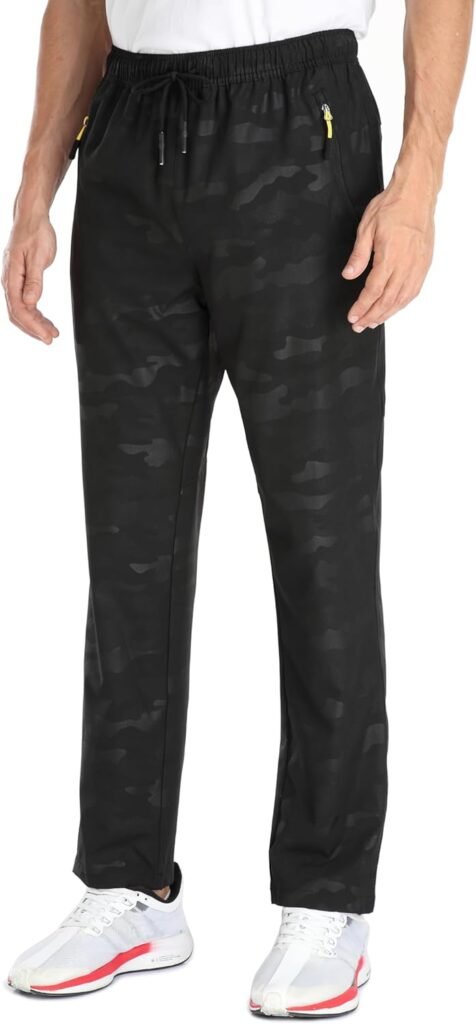
Would these “Men’s Elastic Waist Hiking Pants Water Resistant Quick-Dry Lightweight Outdoor Sweatpants with Zipper Pockets” be the right addition to your outdoor wardrobe?

First Impressions
When you first pick up these pants, you’ll notice how light they feel and how flexible the fabric is. The elastic waist gives an immediate sense of comfort, and the zipper pockets signal that they’re meant for active days when you want your valuables secure.
The name alone sets expectations: hiking-ready, water resistant, quick-dry, and lightweight. In person, they usually deliver on that promise, with a design that sits somewhere between technical hiking pants and casual sweatpants for everyday wear.
Fit and Sizing
Understanding the fit is key so you can choose your size with confidence. These pants typically run true to size for most people, but the elastic waist offers extra forgiveness if you’re between sizes.
If you prefer a slimmer, more tapered look, you might size down or look for a cut labeled “slim fit.” If you want room for layering or a relaxed silhouette, stick with your usual size or size up. Always check the seller’s measurements when available, and consider your preferred sock and footwear thickness if you plan to wear them with hiking boots.
Waist and Elastic Comfort
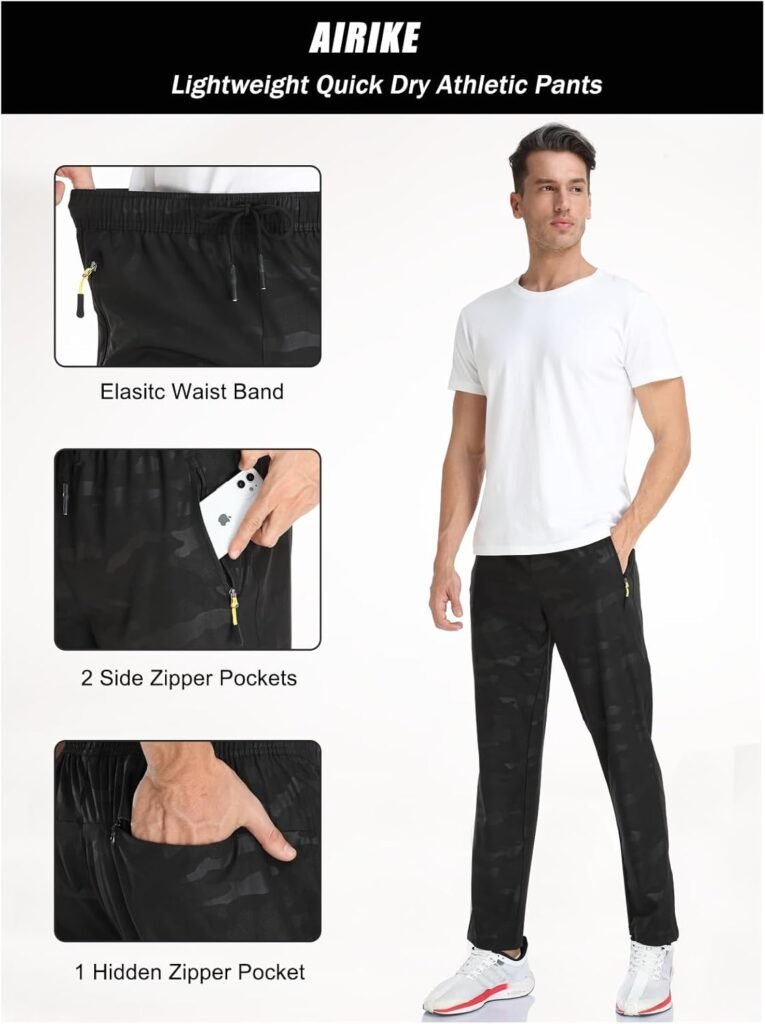
The elastic waistband is the defining feature for comfort. You’ll appreciate the stretch during movement, and it usually comes with an internal drawcord or an external tie to customize the hold.
Elastic waists can reduce pressure points and eliminate the need for a belt, but if you frequently carry gear on your hips (like a heavy hip pack), you might want to test how they hold under load.
Leg Cut and Ankle Opening
The leg cut often trends toward a straight or slightly tapered look, balancing mobility and a tidy appearance. The ankle opening is typically roomy enough to fit over light hiking shoes, but not as wide as oversized cargo pants.
If you like to cuff your pants or stuff them into gaiters on rough trails, check whether the fabric is thick enough to prevent excessive rubbing at the cuff.
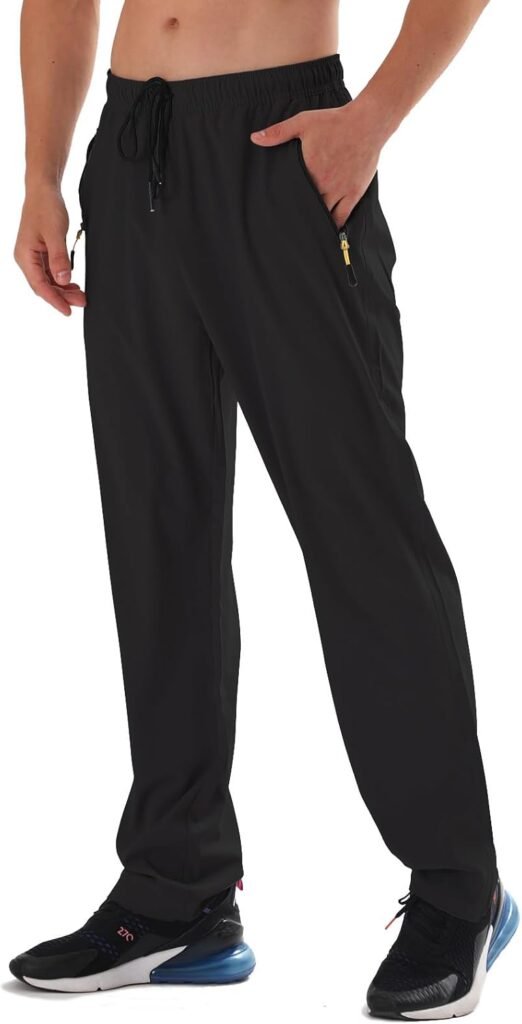
Material and Construction
Although the listing doesn’t specify fabric details, names like water resistant and quick-dry usually indicate a synthetic blend—typically polyester, nylon, or a mix with elastane for stretch. These materials are chosen to repel light moisture, dry rapidly, and resist wrinkles.
Look at seams and stitching quality to assess long-term durability. Reinforced stitching at stress points like the crotch, pockets, and waistband will help the pants hold up to frequent use.
Water Resistance and Quick-Dry Performance
You can expect a water-resistant finish to handle light showers and splashes rather than torrential downpours. The quick-dry feature means sweat or rain will evaporate faster than with cotton, helping regulate your comfort on long outings.
For heavy rain or extended exposure, pair these pants with a waterproof layer. For most hikes, morning dew, or an unexpected drizzle, they’ll keep you drier and more comfortable than pure cotton sweatpants.
Breathability and Temperature Regulation
Synthetic blends often balance wind resistance and breathability. You’ll find they trap less moisture than cotton but still retain some warmth, making them suitable for cool to mild conditions.
If you plan intense activity in hot climates, look for designs with mesh panels or ventilation zips. For cooler weather, you can layer a base layer underneath without the heavy bulk of traditional hiking pants.
Mobility and Stretch
These pants are designed for movement. The elastic waist and often-stretchy fabric support dynamic activities like climbing, scrambling, and long-day hikes. You’ll be able to take big steps, kneel, and squat without feeling restricted.
If you do a lot of technical scrambling or mountaineering, consider pants with articulated knees or gussets. These features enhance mobility even more and reduce seam strain during extreme movement.
Comfort for Everyday Use
Beyond the trail, you’ll find these pants comfortable for travel, errands, or lounging. The soft interior feel and relaxed fit make them a versatile piece you can wear all day without discomfort.
Because they bridge the gap between sweatpants and hiking pants, you can move from the trail to a casual coffee stop without an outfit change.
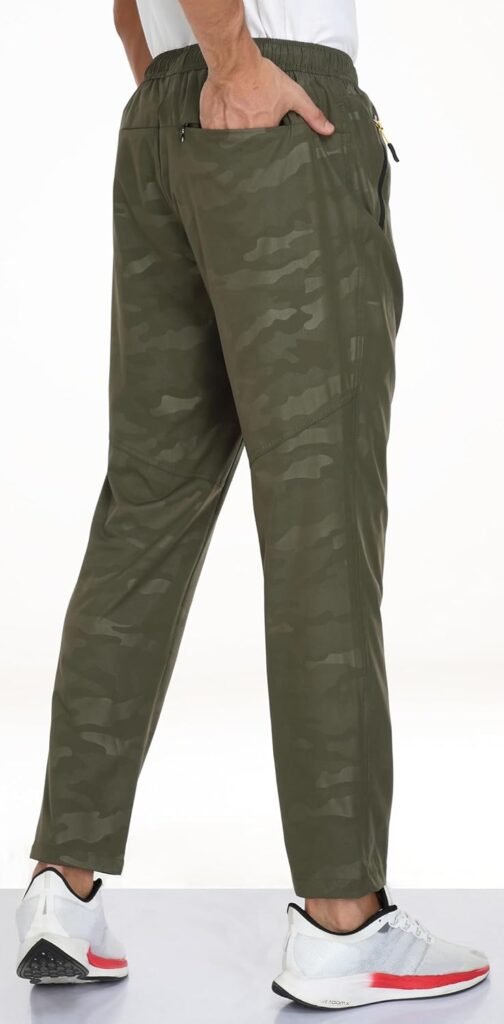
Pockets and Storage
Zipper pockets are a standout feature for active use; they keep your phone, keys, and wallet secure while you move. Most designs include two front zip pockets and at least one back or thigh pocket with a zipper.
Check pocket depth and zipper quality. Deep pockets with smooth zippers are best for carrying essentials on uneven terrain.
Zipper Quality and Placement
High-quality zippers are smooth, durable, and often feature pull tabs for easy use with gloves. You’ll appreciate pockets placed slightly forward on the thigh or hip to avoid pressure under a backpack hip belt.
Avoid pockets that sit so low that contents swing while you walk. Pocket placement should balance security and comfort.
Durability and Care
With regular use, these pants can withstand the wear-and-tear of hiking if they’re made from durable synthetic fabric with solid stitching. Abrasion resistance varies by material; nylon tends to be tougher than polyester, but blends with elastane add mobility.
Care is usually straightforward—machine wash on cold with mild detergent and hang to dry to preserve water resistance. Avoid fabric softeners and high heat when laundering to maintain quick-dry performance and elasticity.
Stain and Abrasion Resistance
Light water resistance helps with stains, and synthetics generally resist dirt better than cotton. For bushwhacks or rock scrambles, reinforced knees and seat panels make a big difference in longevity.
Small repairs like seam re-stitching or zipper replacement can extend the life of your pants if they’re otherwise structurally sound.
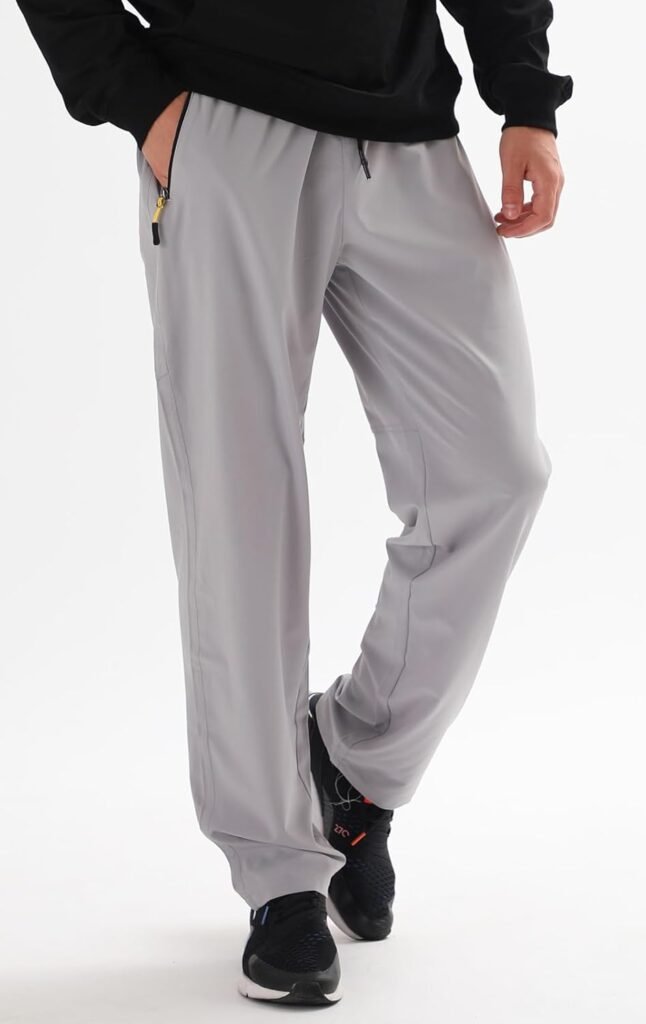
Style and Versatility
These pants aim to be functional without sacrificing everyday style. The look is casual but neat—close to athletic sweatpants but with the technical bells and whistles of outdoor gear.
You can wear them on hikes, for travel, or as comfortable work-from-home attire. For casual outings, pair them with a tee or fleece; for cooler days, layer with a down vest or light jacket.
Colors and Aesthetic Options
Typical color choices include earth tones like olive, grey, black, and navy—practical hues that hide dirt and match easily with outdoor gear. If you prefer brighter colors, look for listings that specify colorways.
A minimalist design without excessive branding tends to be more versatile for urban and outdoor use alike.
Weight and Packability
Because these are marketed as lightweight, they pack down small and won’t add much bulk to your backpack. That makes them excellent for travel or multi-day trips when you want lightweight, quick-drying options.
Their packability also makes them an ideal spare pair to toss into your daypack for changes in weather or for wearing at camp.
Layering Strategy
Because they’re lightweight, you might want to layer a thermal base in cold weather. The natural stretch allows for thin mid-layers underneath without feeling constricted.
If you expect rain, pack a waterproof shell. The pants are a good mid-layer in a three-piece system: base layer + these lightweight pants + a waterproof shell when needed.
Use Cases and Best Activities
These pants are versatile for a wide range of activities—day hikes, travel, commuting, light trail running, and casual outdoor chores. They’re not specialized mountaineering pants but are ideal for moderate hiking, bushwalking, and everyday outdoor adventures.
You’ll get the most value if you favor comfort, convenience, and quick-drying properties over heavy-duty protection for extreme environments.
Ideal Seasons and Conditions
They perform best in spring, summer, and fall for mild to moderately cool conditions. Quick-dry materials make them suitable for humid climates or activities that make you sweat.
In very cold or wet seasons, you’ll want additional insulation or fully waterproof layers.
Comparing to Traditional Hiking Pants
Traditional hiking pants often have more pockets, reinforced panels, and heavier fabrics for abrasion resistance. These elastic-waist pants prioritize comfort and a slimmer profile.
If you need technical features like integrated gaiter hooks, multiple cargo pockets, or heavy-duty fabric, classic hiking pants might be better. If you want comfort and everyday versatility, these pants usually come out ahead.
Comparing to Sweatpants
Compared to regular sweatpants, these offer superior weather resistance and are quicker to dry. They typically use a smoother, more technical fabric that doesn’t hold as much moisture as cotton fleece.
You’ll lose some of the plush warmth of fleece but gain practical features that make them more functional outside the house.
Pros and Cons
Laying out pros and cons helps you weigh whether these pants fit your priorities. Below are the common strengths and limitations you should consider.
Pros:
- Comfortable elastic waist with adjustable drawcord
- Lightweight and packable
- Zipper pockets for secure storage
- Quick-dry and water-resistant properties for active use
- Versatile for trail and casual wear
Cons:
- Not fully waterproof in heavy rain
- Less abrasion-resistant than heavy-duty hiking pants
- Limited specialized features for technical climbing or alpine use
- Sizing can vary by brand; check measurements
Feature Breakdown Table
This table will help you quickly compare expected performance and key features so you can make an informed decision.
| Feature | What to Expect | How It Helps You |
|---|---|---|
| Waist | Elastic with drawcord | Comfort and easy fit adjustments without a belt |
| Fabric | Synthetic blend (polyester/nylon ± elastane) | Quick-dry, lightweight, some stretch |
| Water Resistance | DWR or water-repellent finish | Handles light rain and splashes |
| Breathability | Moderate | Keeps you comfortable during activity |
| Pockets | Zippered front/back/side | Keeps essentials secure while moving |
| Durability | Moderate | Good for daily use, check stitching for longevity |
| Weight | Lightweight | Easy to pack and carry |
| Care | Machine wash cold, hang dry recommended | Easy maintenance to preserve performance |
| Style | Casual/athletic | Works for trail and city wear |
Care Instructions
Taking care of these pants properly will extend their life and keep performance features like water resistance intact. You’ll want to wash them on a gentle cold cycle and hang them to dry.
Avoid fabric softeners and high heat in the dryer because they break down water-repellent coatings and elastic fibers. If water resistance fades, use a reproofing spray following the manufacturer’s instructions.
Repair and Maintenance Tips
Small rips can often be repaired with fabric patches or seam repairs. If a zipper fails, many outdoor shops and tailors can replace zippers at a reasonable cost.
Regularly inspect high-wear areas like the seat, knees, and pocket seams. Addressing small issues early prevents larger damage later.
Packing and Travel Advice
These pants shine as travel companions because they’re lightweight and quick-drying. Pack them as a primary or backup bottom, and you can wash them overnight in a hotel sink and have them ready by morning.
Because they blend casual style and outdoor function, you can travel light and still look put together for a variety of activities.
Airport and Flight Comfort
Elastic waists are perfect for long flights because you can loosen them for comfort and tighten them again when you land. Zippered pockets keep your boarding pass and phone secure during transit.
If you like to layer, these pants work well with compression socks or lightweight base layers for long-haul comfort.
Sustainability Considerations
Synthetic materials like polyester and nylon are durable but derived from petrochemicals. If sustainability matters to you, look for versions made from recycled materials or from brands with transparent environmental practices.
When you take care of the pants—washing less frequently, avoiding extreme heat in laundry, and extending their lifespan—you also reduce their environmental footprint.
End-of-Life and Repairability
Choosing repairable options and making small repairs yourself prolongs the lifespan. When they finally wear out, some recycling programs accept worn synthetics, or you can repurpose the fabric for gear patches or cleaning rags.
Selecting durable items that don’t need frequent replacement is one practical way to be more sustainable.
Who Should Buy These Pants?
You should consider these pants if you want a comfortable, light, and versatile option for outdoor activities and everyday wear. They’re ideal if you prioritize comfort over heavy-duty protection and if you like secure zipper pockets.
Avoid them only if you need full waterproofing for long rainy treks or if you require specialized technical features for alpine climbing.
Use-Case Examples
- Day hikers who want comfort and quick-dry fabric
- Travelers who need lightweight, packable pants
- Commuters who value comfort and a neat casual look
- Campers who need a quick-drying layer for mornings around camp
FAQs
Here are answers to common questions you might have before buying.
Q: Are these pants waterproof?
A: They’re usually water resistant rather than fully waterproof. They handle light rain and splashes but aren’t a substitute for waterproof pants in heavy downpours.
Q: Can I wear these for running?
A: For casual trail runs or jogs, yes. For high-intensity road running, you might prefer dedicated running tights or shorts that prioritize ventilation and sweat management.
Q: Do they shrink in the wash?
A: Synthetic blends typically don’t shrink like cotton, but high heat can degrade fibers and elastic. Follow care instructions to avoid unwanted changes.
Q: Are the zippers durable?
A: Durability varies by brand and zipper type. Check for smooth zippers with good pull tabs; that usually indicates better long-term performance.
Final Thoughts and Recommendation
If you want comfortable, practical pants that handle light outdoor conditions, these “Men’s Elastic Waist Hiking Pants Water Resistant Quick-Dry Lightweight Outdoor Sweatpants with Zipper Pockets” are a solid pick. They sit between casual sweatpants and technical hiking trousers, offering the best of both worlds for many users.
You’ll get secure storage, quick-dry performance, and an elastic waist that maximizes comfort. If your activities are moderate in intensity and environment, these pants should serve you well. For extreme conditions, pair them with more specialized gear to stay protected.
Buying Tips
- Check size charts carefully and measure your waist and inseam. The elastic waist helps, but it’s best to match measurements when possible.
- Look for product photos or customer reviews showing real-world use to verify fabric feel and stretch.
- Consider color options that fit your lifestyle—darker tones hide dirt better, while lighter colors reflect heat.
- Confirm pocket size and zipper quality if you carry larger phones or valuables.
- Inspect care labels and follow laundering advice to preserve water resistance and elasticity.
Summary Checklist Before You Purchase
- Confirm measurements against size chart.
- Read reviews for fit, zipper quality, and durability.
- Ensure the water resistance level matches your needs.
- Verify return policy in case fit isn’t ideal.
- Consider complementary layers for weather extremes.
If you follow these tips and consider how you’ll use the pants, you’ll be well positioned to make a purchase you’ll enjoy and rely on for a wide range of outdoor and everyday activities.
Disclosure: As an Amazon Associate, I earn from qualifying purchases.