
?Are these the versatile pants that finally replace everything in your travel and outdoor wardrobe?

Quick take: what these pants promise and what you can expect
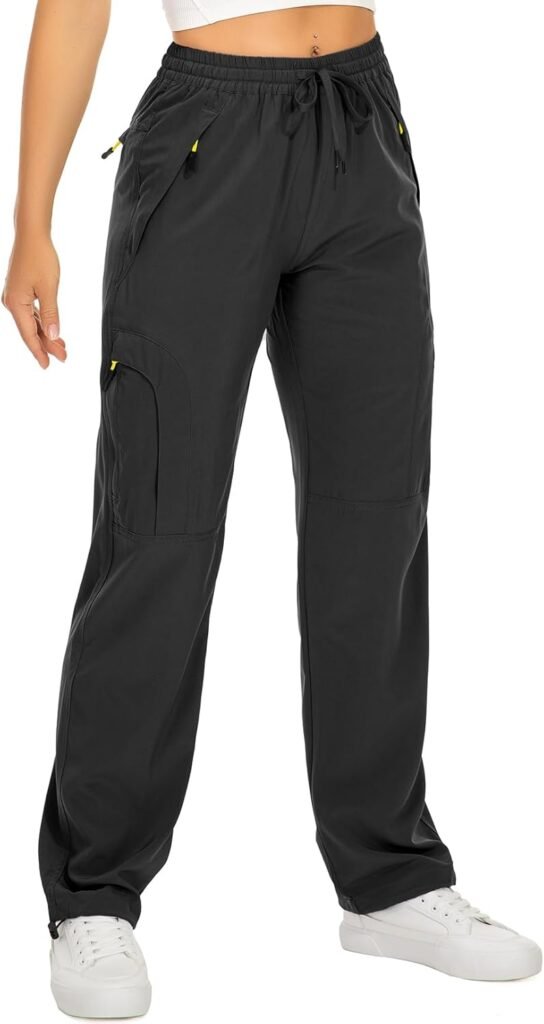
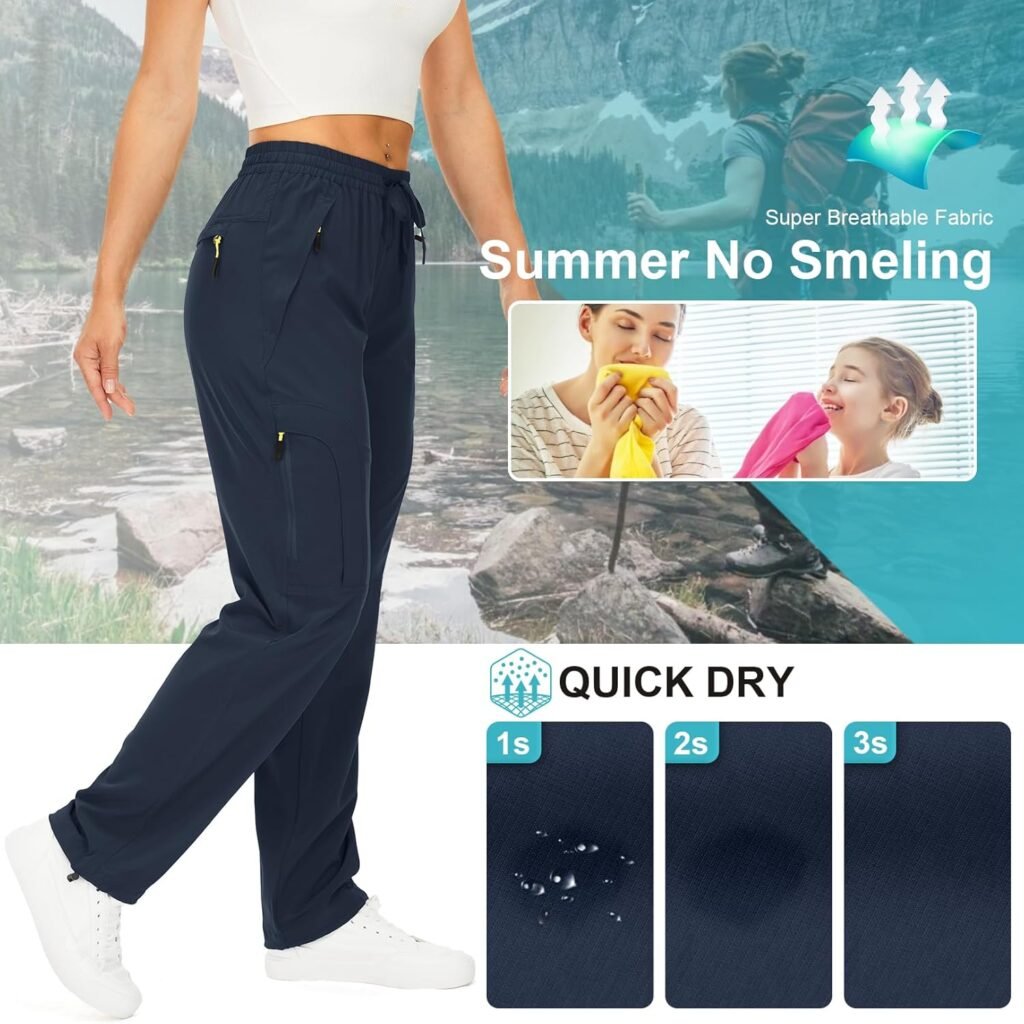
You’re looking at the “Womens Hiking Pants Quick Dry UPF 50 Lightweight Travel Golf Cargo Safari Pants Zipper Pockets”, and the product name itself tells you the main selling points. These pants promise quick-drying fabric, UPF 50 sun protection, lightweight comfort, practical zipper pockets, and cargo styling suitable for travel, hiking, golf, and safari-style outings.
If you want a single pair of pants to handle humid hikes, sunny travel days, and casual golf outings, this model is built to be that multi-purpose workhorse. Below you’ll find a detailed breakdown of materials, fit, performance, pockets, care, pros and cons, comparisons, and practical buying tips so you can decide whether they belong in your bag.
First impressions and unboxing
When you open the package, you’ll likely notice a very lightweight feel and a compact fold — great for packing. The cut and finish usually look clean, with visible zipper pocket details and a practical, slightly tapered leg.
You’ll immediately assess whether the color and texture match what you expected from photos. The lightweight fabric often has a faint sheen typical of nylon or polyester blends, and the waistband design will tell you whether the pants favor mobility or a more tailored look.
Material and fabric feel
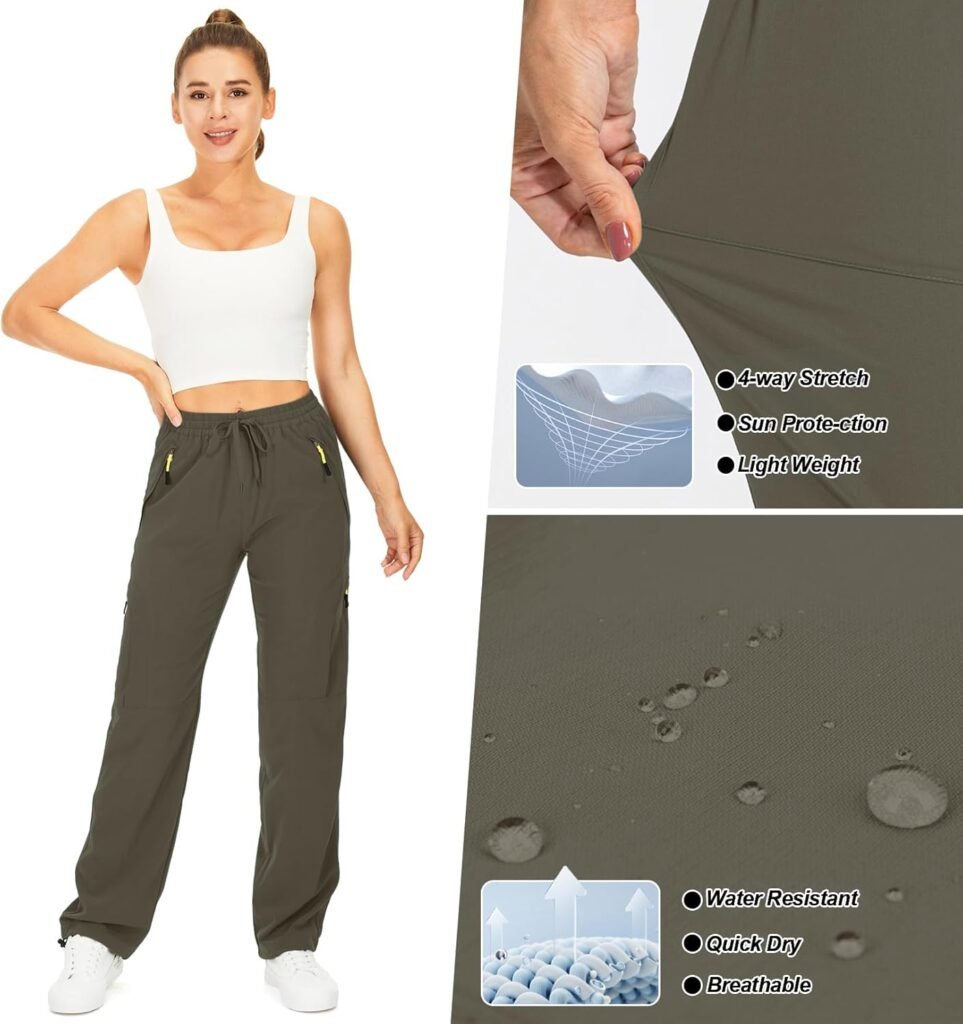
Material choices define how pants perform, and these typically come in a nylon/polyester blend with a touch of spandex for stretch. That composition gives you quick-drying capability, a smooth surface that resists wrinkling, and comfortable stretch for movement.
When you run your fingers across the fabric, you’ll usually feel a lightweight, slightly crisp texture rather than heavy cotton. This gives the pants a travel-friendly quality because they stay compact and fast to dry when damp.
Breathability and moisture management
Breathability matters for comfort during long days outdoors, and the lightweight synthetic fabrics these pants use generally allow good airflow. You’ll find moisture wicks away from your skin, and the quick-dry feature means sweat won’t linger long.
In humid conditions, performance can vary by fabric thickness and weave, but overall these pants are made to keep you drier and cooler than heavy-denim alternatives.
UPF 50 sun protection
The UPF 50 rating in the product name means the fabric blocks about 98% of UVB and UVA rays, which is an excellent level of sun protection for most outdoor activities. You can count on these pants to shield your legs during prolonged sun exposure like hiking, safari drives, or golf.
Keep in mind that UPF effectiveness depends on fabric condition—stretched, wet, or thin areas may reduce protection—so you should still consider sunscreen on exposed skin when necessary.
Fit and sizing
Fit varies by brand and cut, but these pants are commonly cut for a comfortable, slightly relaxed fit that’s still streamlined enough for casual or sporty wear. You’ll likely find an elastic or partially elastic waistband with a drawstring or button closure for micro-adjustment.
If you prefer tailored, slim-fitted pants, these may look roomier. If you favor mobility and layering (leggings underneath on cooler days), the looser cut will suit you better.
Waist and rise
The waist design often combines structure with comfort: some models use a flat-front waistband with partial stretch, while others lean into full-elastic waistbands for ease. The rise tends to be mid to high, giving decent coverage and comfort, especially when you bend or reach.
If you’re between sizes, check the size chart and customer feedback about whether they run small or true to size; many users recommend sizing based on hip measurement to get the best fit.
Leg cut and ankle options
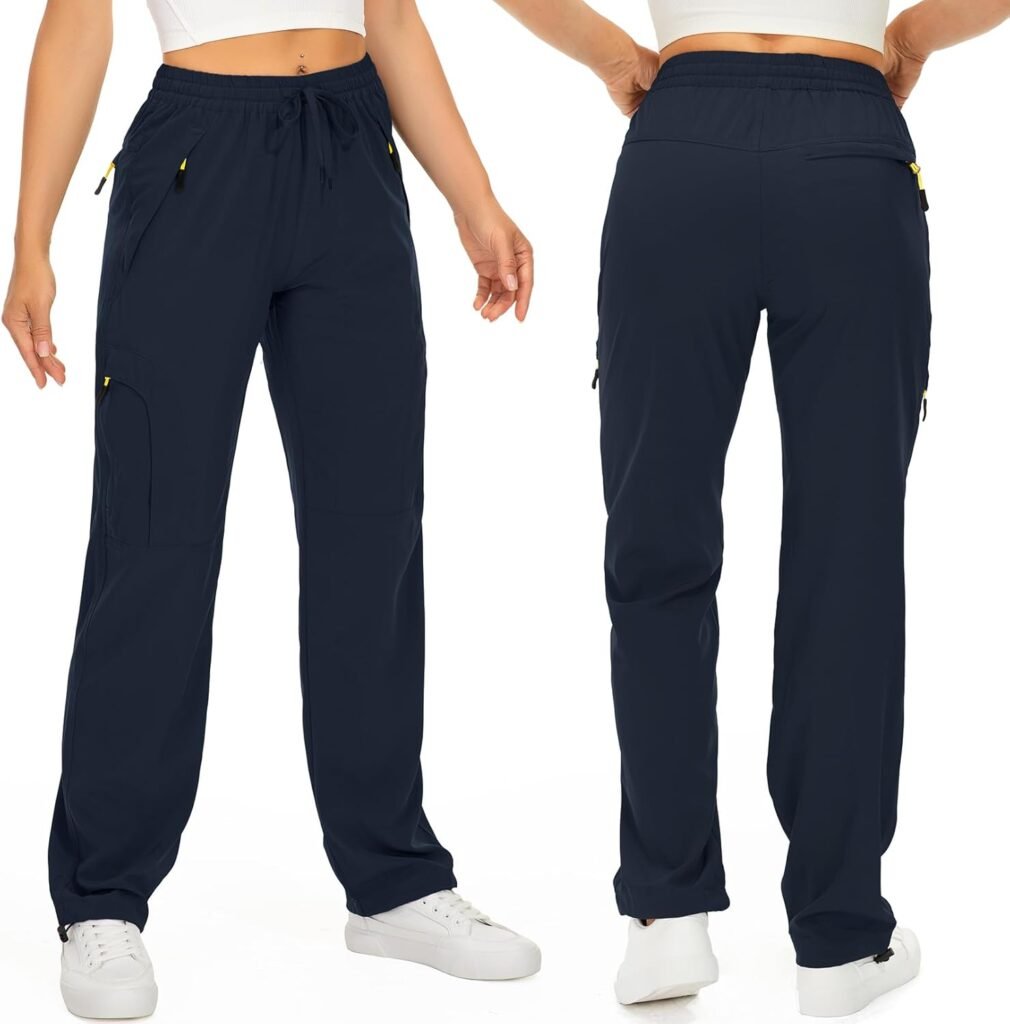
You’ll typically see a straight to slightly tapered leg that’s versatile for hiking boots, trail runners, or sandals. Some models include adjustable ankle tabs or elastic cuffs so you can create a tapered look or tighten the hem for buggy trails.
That adjustability makes these pants work well across seasons — open hems for ventilation in summer, tightened cuffs to keep out debris on rough trails.
Pockets and storage: how useful are they?
Practical storage is one of the biggest strengths of cargo-style travel pants, and these usually have multiple zipper pockets placed for convenience. Expect two zippered hand pockets, one or two cargo pockets with zippers, and maybe a small hidden pocket for keys or cards.
You’ll appreciate secure pockets while traveling or golfing because zippers prevent loss of small items when you sit, bend, or swing.
Zipper quality and placement
Zipper quality matters more than you might think; smooth, snag-free zippers with sturdy pulls make life easier. The placement of cargo pockets should avoid interfering with leg movement or chafing when you walk.
If you often carry bulky items, check how the cargo pocket sits when filled — some designs keep bulk centered on the thigh for balance, while others let items shift when you move.
Hidden and security pockets
Inevitably you’ll want a safe place for passports, cash, or a card; many versions of these pants include at least one hidden or zip-secured pocket near the waistband. That’s a travel-friendly touch that reduces the need for a money belt on low-risk trips.
Using secure pockets helps you feel confident in crowded places like airports or markets.
Performance while hiking and on the trail
You’ll want pants that won’t limit your stride and that handle variable trail conditions. These pants are designed for that: lightweight fabric, stretch, and quick-dry performance mean you can move freely and stay comfortable during long hikes.
For muddy or scratchy terrain, check how resistant the fabric is to abrasion. The lighter fabrics can be less durable than heavyweight canvas, but they’ll win on comfort and packability.
Mobility and range of motion
The addition of spandex or articulated seams is what lets you climb, step, and scramble without feeling restricted. You’ll notice that these pants allow lunges and high steps that would be harder in stiffer fabrics.
If you plan technical climbing, you might still opt for more rugged technical pants, but for trail hiking and scrambling on moderate terrain, these are a great fit.
Abrasion and tear resistance
Lightweight fabrics sacrifice some toughness for comfort. If you frequently gate-crash thorny brush or bushwhack through dense undergrowth, you should evaluate whether the fabric withstands repeated abrasion.
If you expect heavy wear, consider reinforcing options or treating the pants with a textile protector to reduce snags.
Quick-dry performance and wet-weather behavior
Quick-dry is a highlight here: the synthetic weave sheds moisture and dries rapidly after rain or sweat, so you won’t be sticky for long. This makes them ideal for humid climates and multi-day trips where laundry access is limited.
If you get soaked, you’ll appreciate how quickly the fabric stops feeling heavy and starts returning to a normal weight.
Drying speed in real-world conditions
Drying time depends on airflow and temperature, but in direct sun or a warm, breezy environment these lightweight fabrics often dry in less than an hour. Indoors or in cooler conditions, drying will take longer but still outpace cotton.
If you plan to wash and reuse while traveling, these pants are good candidates for midday washes you can wear the same day.
Behavior when wet
When wet, the fabric tends to cling less than cotton and retains breathability, but color and fabric stretch can temporarily change. You should not expect full insulation when wet — like most synthetics, they’ll keep you drier but won’t provide warmth when soaked.
For cold, wet environments layer appropriately rather than relying on these pants to provide thermal insulation.
Sun protection: UPF 50 explained
UPF 50 is a strong selling point: the fabric reduces UV exposure by about 98%, so you get significant protection for your legs during prolonged sun exposure. You’ll appreciate this on open trails, desert safaris, and golf courses.
Remember that UPF is a fabric property that’s affected by stretch, wetness, and wear. New pants typically give the best protection, so consider replacing older pairs if protection diminishes.
Practical sun safety advice
Even with UPF 50 pants, you should still apply sunscreen to exposed areas (knees, any gaps) and wear a sun-protective shirt or hat for full coverage. Using a combination of sun-protective clothing and sunscreen is your best strategy on bright days.
If you plan extended outdoor time, pairing the pants with UPF shirts and a wide-brim hat gives balanced protection.
Comfort for travel and long wear
These pants are built for long days: waistband comfort, low weight, and stretchy fabric reduce fatigue from rubbing and pinching. You’ll find them pleasant for flights, long drives, and all-day excursions.
They also pack small and resist wrinkling, meaning you can fold them into your carry-on and pull them out wrinkle-free for long travel days.
Seat comfort and sitting for long periods
For seated activities like a long flight or car trip, the light fabric won’t bunch as badly as heavy canvas, and the mid-rise helps keep you comfortable when leaning forward. Zipper pockets that lay flat are less likely to become uncomfortable under your weight.
If you tend to carry bulky items in pockets, consider which pockets press into your seat and adjust what you carry to maximize comfort.
Styling and how to wear them
These pants are intended to be utilitarian but versatile enough for casual style. Pair them with performance tees, lightweight fleeces, or a polo for golf. You can also dress them down with sandals or up slightly with a smart polo and clean trainers.
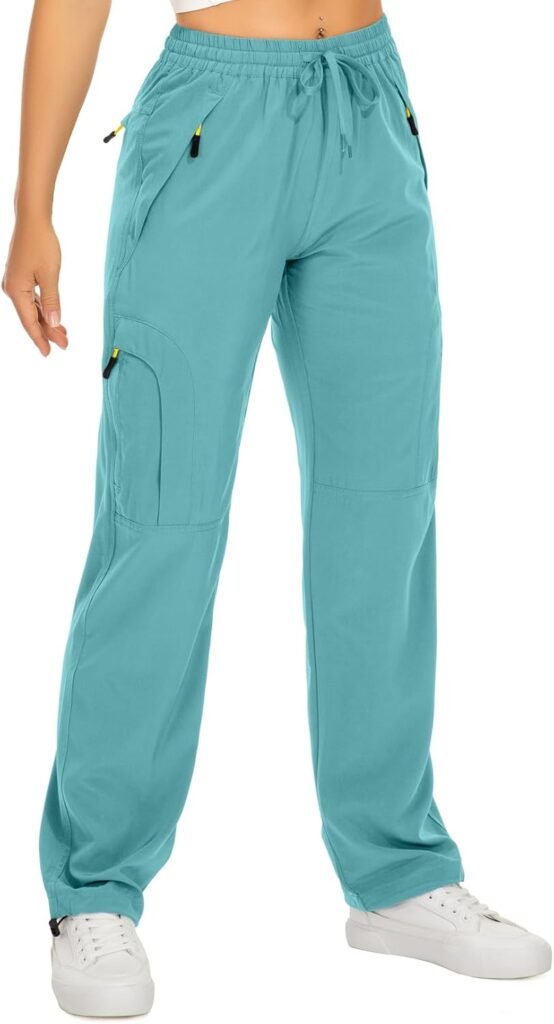
Neutral colors like khaki, olive, grey, and black are typical and easy to coordinate with travel wardrobes.
Outfit ideas for different activities
- For hiking: pair with a moisture-wicking tee, lightweight hiking boots, and a sun hat.
- For travel: layer with a cardigan, slip-on shoes, and a lightweight scarf.
- For golf: a neat polo shirt, belt (if waist allows), and comfortable golf shoes will give a tidy look.
Mixing function with a bit of polish makes these pants a go-to for multi-activity days.
Care and maintenance
You’ll generally wash these pants in cold water on a gentle cycle and tumble-dry low or hang to dry to keep fabric integrity and UPF protection. Avoid bleach and fabric softeners since they can degrade water-wicking finishes and UPF treatments.
If seams or zippers need attention, repairing promptly extends the lifespan of your pants.
Stain removal and fabric protection
Treat stains early with a mild detergent and cold water. For additional protection against dirt and moisture, you can apply a textile spray that’s safe for synthetics — test a small, inconspicuous area first.
Regular cleaning preserves fabric performance and appearance, especially after dusty or muddy adventures.
Durability and construction quality
Durability depends on stitching quality, reinforcement at stress points, and zipper construction. Well-made versions of these pants usually have bar-tacked pocket joins, reinforced belt loops, and sturdy zipper tracks.
If you expect high-mileage use, inspect seam reinforcements and read user feedback for common failure points like pocket seams or zipper wear.
Expected lifespan and repairs
With moderate use and proper care, you can expect these pants to last seasons of regular wear. If you use them daily under tough conditions, signs of wear may show sooner in high-abrasion areas.
Small repairs like re-stitching pockets or replacing zipper pulls are cost-effective to extend their usable life.
Pros and cons summary
You’ll get a lot of practical benefits from these pants, but there are trade-offs that matter depending on your needs. The list below helps you weigh the quick wins and the potential drawbacks.
Pros:
- Lightweight and packable for travel
- Quick-dry fabrics reduce discomfort after sweating or rain
- UPF 50 offers strong sun protection
- Zipper pockets secure essentials while on the move
- Versatile styling for hiking, golf, and casual wear
Cons:
- Less durable than heavyweight outdoor pants in very abrasive environments
- Fit may vary by brand, so sizing checks are important
- Some people prefer a more tailored look for non-outdoor situations
- UPF and water-repellent finishes can wear off over time
Quick comparison table
The table below breaks down features and expectations so you can quickly see how the pants perform across key areas.
| Feature | What you’ll likely get | Why it matters |
|---|---|---|
| Material | Lightweight synthetic blend (nylon/polyester + some stretch) | Fast-drying, packable, and slightly stretchy for mobility |
| UPF | UPF 50 | Strong sun protection for long outdoor exposure |
| Pockets | Multiple zippered pockets, cargo pockets | Secure storage while moving or traveling |
| Fit | Mid to high rise, relaxed to tapered leg | Comfortable for active movement and layering |
| Weight | Very lightweight | Good for packing and reducing overheating |
| Durability | Moderate | Great for most trails, less for extremely abrasive use |
| Care | Machine wash cold, hang or low tumble dry | Easy maintenance but avoid fabric-softener chemicals |
| Activities | Hiking, travel, golf, casual, safari | Multi-purpose, travel-friendly performance wear |
Activity-specific performance
These pants advertise suitability across several activities — here’s how they handle each in practice and what to watch for.
Hiking
You’ll appreciate the freedom of movement and quick-dry capability on long hikes, especially in warm climates. For steep, rocky terrain, check for reinforced stitching and consider pairing with gaiters in dense brush.
Travel
They’re excellent for travel because they pack small, don’t wrinkle much, and keep essentials close in zippered pockets. On long flights you’ll enjoy the comfortable waistband and lightweight warmth.
Golf
The clean, mid-rise fit and tapered leg are compatible with golf movement; zip pockets keep tees and markers secure. Choose a color that keeps a neat, semi-tailored look for course etiquette.
Safari and outdoor tours
UPF 50 and quick-dry behavior are a big plus on safari and in arid environments. Neutral colors blend with the environment and minimize attracting insects that like bright colors.
Sizing tips and how to choose your size
Sizing can vary, so you should always check the brand’s size chart and measure your waist and hips. If you’re between sizes and prefer mobility, err on the larger size for layering or movement; if you want a cleaner look, size down if the brand runs generously.
Keep in mind that stretch fabrics can ease strict waist fit, but hip and thigh measurements often determine how comfortable cargo pockets will sit.
Measuring guide
- Measure your natural waist at the narrowest point.
- Measure hip circumference at the widest part of your hips.
- Compare your measurements to the size chart and read reviews for whether the product runs small or large.
If in doubt, contact the seller for exact inseam lengths or look for a model that offers multiple inseam options.
Where these pants shine vs where they fall short
You’ll find that these pants are perfect for travel days, sunny hikes, and casual outdoor activities where weight and packability are priorities. They may fall short for heavy-duty mountaineering, bushwhacking through thorny terrain, or if you require a very formal appearance.
Match the pants to your activity profile: for versatile, lightweight comfort they’re hard to beat; for heavy abrasion and extreme durability, you might need a different class of pant.
Common user questions and answers
You probably have specific questions about sizing, care, and suitability — here are straightforward answers that address common concerns.
Q: Will they work for cold weather?
A: On their own, not for cold conditions. Use them with insulating base layers or choose heavier pants when temperatures drop.
Q: Can you machine wash them?
A: Yes, most will handle a cold wash and low tumble or air-dry. Avoid bleach and fabric softeners to retain performance.
Q: Do the zippers feel flimsy?
A: Quality varies by manufacturer; look for user reviews that mention zipper durability. Many models use sturdy coil zippers that perform well.
Real-world user experiences (summary)
You’ll see a mix of reviews: many users praise the comfort, packability, and pocket security; others request more durability in high-abrasion contexts. If you tend to hike on well-defined trails and mostly want sun protection and quick drying, user feedback is overwhelmingly positive.
Travelers often note how convenient the pockets are for passports and phones, and golfers like the mobility during swings.
Comparison with similar options
Compared to heavy-duty canvas or softshell pants, these are lighter and pack better but are less abrasion-resistant and offer less wind resistance. Compared to leggings, they offer better sun protection and secure pockets, but less close-to-body warmth.
If you need cold-weather performance, consider insulated or softshell options; if you want maximum packability and sun protection, these lightweight pants are better.
Price and value considerations
You’ll find price ranges for pants like these vary based on brand, construction, and added features (like DWR coatings or reinforced knees). Generally, they offer excellent value for travel and casual outdoor use when priced moderately.
Investing in a slightly better-made pair often pays off in zipper and seam durability if you expect heavy use.
Final verdict
If you’re after a single pair of pants to handle sunny hikes, airport days, casual golf rounds, and travel adventures, the “Womens Hiking Pants Quick Dry UPF 50 Lightweight Travel Golf Cargo Safari Pants Zipper Pockets” are a strong contender. They balance comfort, practical storage, sun protection, and packability, making them a versatile choice.
You’ll want to check sizing carefully and consider activity-specific needs—if your adventures involve a lot of abrasive bushwhacking or cold-weather exposure, plan for a more specialized alternative. For the majority of travelers and outdoor enthusiasts, these pants deliver the right combo of features.
Buying tips and what to check before purchase
Before you buy, check the following to ensure you get the best fit and performance:
- Size chart and measurements for waist/hip/inseam.
- Customer reviews about fit and zipper durability.
- Return policy for easy exchanges.
- Available colors and whether you prefer darker hues for stain hiding.
- Details on fabric composition—nylon-rich blends dry faster; some polyester blends are less stretchy.
If you travel often, choose a color and fit that coordinate with multiple outfits to maximize packing efficiency.
Care checklist to extend lifespan
Follow these simple steps to get the most mileage from your pants:
- Wash on gentle cycle with cold water.
- Air-dry when possible to preserve UPF and fabric stretch.
- Avoid fabric softeners and bleach.
- Repair small seam tears promptly.
- Reapply textile treatments only with products safe for synthetic fabrics.
These steps help keep fabric performance, color, and sun protection intact.
Closing note
You’ve seen what these pants are designed to do: offer lightweight comfort, sun protection, quick-drying performance, and secure pockets for travel and outdoor activities. If those are your priorities, they make a smart, practical addition to your wardrobe.
Choose your size carefully, keep care instructions in mind, and you’ll have a versatile pair of pants that supports many of your outdoor and travel plans.
Disclosure: As an Amazon Associate, I earn from qualifying purchases.