
Thinking about whether the “Timberland Men’s White Ledge Mid Waterproof Hiking Boots” are the right choice for your next trail or everyday wear?

Overview of the Timberland Men’s White Ledge Mid Waterproof Hiking Boots
You’ll find these boots positioned as a reliable, mid-height hiking option that balances protection, comfort, and value. They’re designed to be approachable for new hikers while giving experienced users a straightforward, weather-ready boot for short to moderate trips or daily use.
These boots have a reputation for solid build quality and classic styling, and they often show up as a recommended choice for people who want dependable footwear without extreme technical features. If you care about straightforward waterproofing, durable leather, and a grippy outsole, these could match your needs.
Key specifications at a glance
Here you get the quick facts so you can decide fast whether to read further or check them out in person. The box below summarizes the primary materials and features you’ll interact with on a daily basis.
| Feature | Detail |
|---|---|
| Product name | Timberland Men’s White Ledge Mid Waterproof Hiking Boots |
| Upper material | 100% premium waterproof leather (LWG Silver-rated tannery) |
| Waterproofing | Seam-sealed construction; fully gusseted tongue |
| Hardware | Rustproof, speed lace hardware with lace hooks at top |
| Footbed / Midsole | EVA footbed; EVA midsole |
| Outsole | Solid rubber outsole with multi-directional lugs |
| Intended use | Day hiking, light backpacking, all-weather casual wear |
| Height | Mid (ankle support) |
| Break-in | Moderate; leather softens with wear |
| Sustainability note | Leather from LWG Silver-rated tannery |
Design and materials
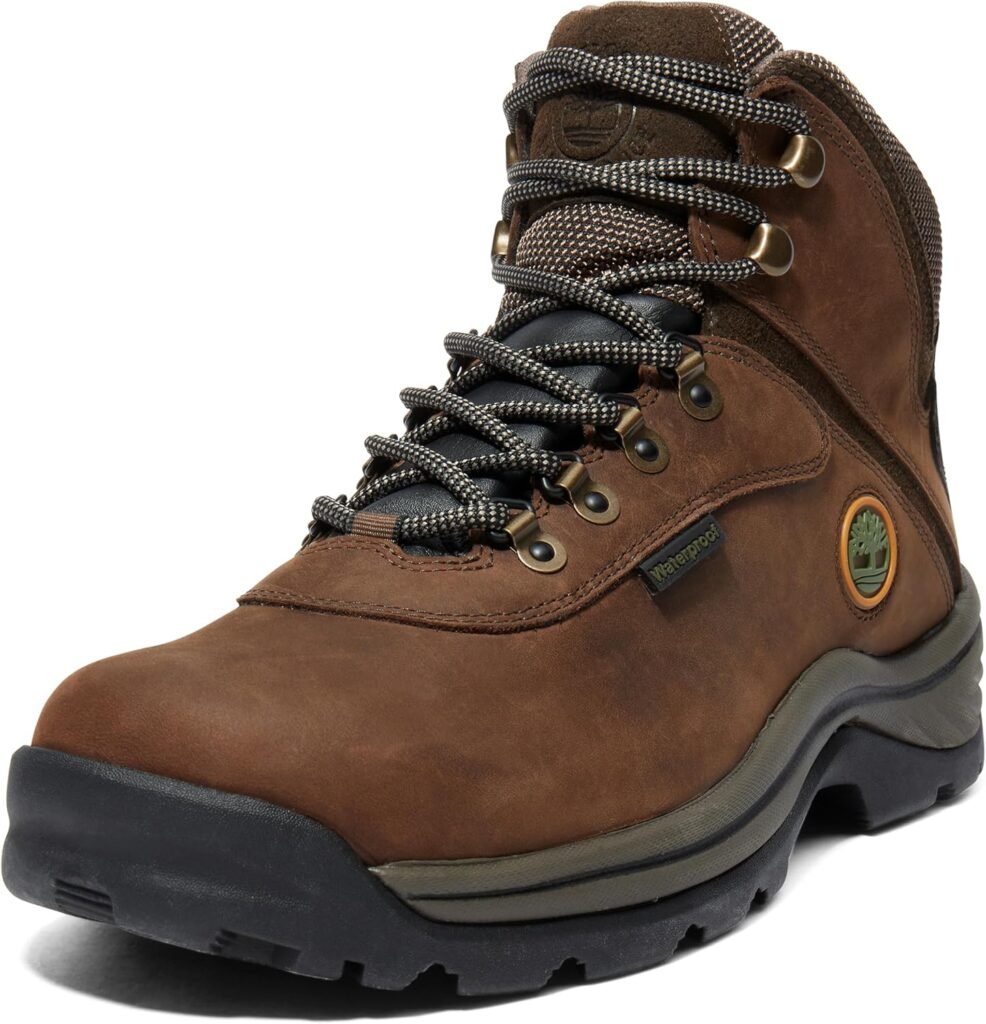
You’ll notice a straightforward, utilitarian aesthetic that Timberland often uses, where function informs the look. The materials are chosen to handle wet conditions while still keeping the silhouette clean enough for town wear.
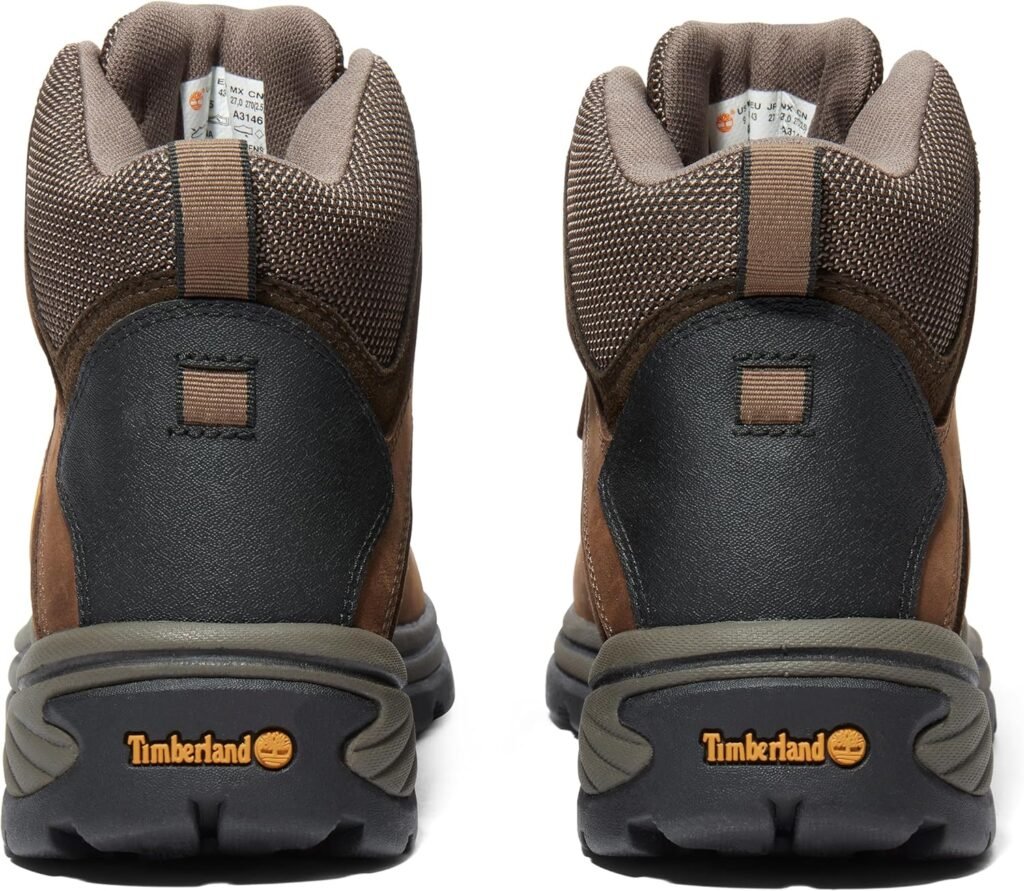
The “Uppers made with 100% premium waterproof leather from an LWG Silver-rated tannery” gives you both a premium feel and a sustainability credential through the Leather Working Group rating. The seam-sealed construction and fully gusseted tongue are practical choices that prevent water and debris from entering, and the rustproof speed-lace hardware saves you from early corrosion in wet environments.
Upper construction and leather
You’ll feel the leather’s stiffness at first, but it’s meant to break in and shape to your foot over time. That premium waterproof leather keeps water out effectively while resisting scuffs and pinch points on trails.
Because the leather comes from an LWG Silver-rated tannery, you also have a level of assurance about responsible leather processing compared with lower-rated or unrated leather sources. Expect a classic, slightly rugged appearance that gains character as you wear the boots.
Lacing system and tongue
You’ll have secure lacing thanks to rustproof, speed-lace hardware with lace hooks at the top that let you get locked in quickly. The fully gusseted tongue keeps dirt and moisture from sneaking into the boot, which is especially useful in muddy or dusty trails.
Speed-lace hardware speeds up on/off time and lets you fine-tune the fit at the ankle for better support. The rustproof finish means you won’t have to worry about hardware corrosion shortening the hardware life.
Midsole and footbed
You’ll appreciate the EVA footbed and EVA midsole for light cushioning and shock absorption during day hikes and long walks. EVA gives a nice balance between lightweight cushioning and durable compression resistance for everyday use.
If you need orthotic-level support, you can swap the EVA footbed for custom insoles easily, but out of the box the footbed provides reliable comfort for moderately long outings without feeling too marshmallow-soft or unstable.
Outsole and traction
You’ll get a solid rubber outsole with multi-directional lugs that are tuned for general trail grip across wet rock, dirt, and packed snow. The lug pattern is meant to be versatile: not overly aggressive for technical climbs, but effective for mixed-terrain day hikes.
The rubber compound aims to resist wear while maintaining bite on varied surfaces, though very technical or wet-sloped terrain may reveal its limits compared with more aggressive, sticky compounds.
Comfort and fit
You’ll find these boots tend to fit true to size for many people, but foot shape and sock thickness can change your ideal fit. Comfort is generally good after a moderate break-in period when the leather softens and molds to your foot.
Timberland focuses on straightforward comfort with enough padding and structure to avoid fatigue over several hours of walking. If you have very high arches, very wide feet, or unique orthotic needs, you might consider trying them on or planning for an aftermarket insole.
Sizing and break-in period
You’ll probably want to go with your normal shoe size for hiking socks unless you have a specific reason to size up for extra toe room. The leather upper will soften with wear, so expect a few short walks or a weekend outing to make them more comfortable.
If you’re deciding between sizes and plan to use heavy wool socks or a roomy toe box for long descents, sizing up a half may be wise; for slim feet, stick to usual sizing. Break-in discomfort is usually limited to stiffness along the top and around the ankle for the first 2–4 wears.
Cushioning and arch support
You’ll notice moderate cushioning from the EVA midsole and footbed that balances comfort with ground feedback. The arch support is adequate for neutral to mildly high arches, but serious arch support seekers will want custom insoles.
The EVA midsole doesn’t compress as quickly as cheap foam, so you’ll keep cushioning over time; still, if you use them for frequent long hikes with heavy loads, additional insoles can improve comfort and reduce fatigue.
Ankle support and stability
You’ll get reliable ankle support from the mid-height cut and the lace hooks that let you cinch the boot at the ankle. This design helps limit rolling and gives you confidence on uneven trails without restricting natural ankle movement.
The gusseted tongue and structured leather collar combine for secure hold and mild protection from debris and stray rocks. If you carry heavy packs or tackle very technical terrain, a taller, stiffer boot might be preferable.
Waterproofing and weather performance
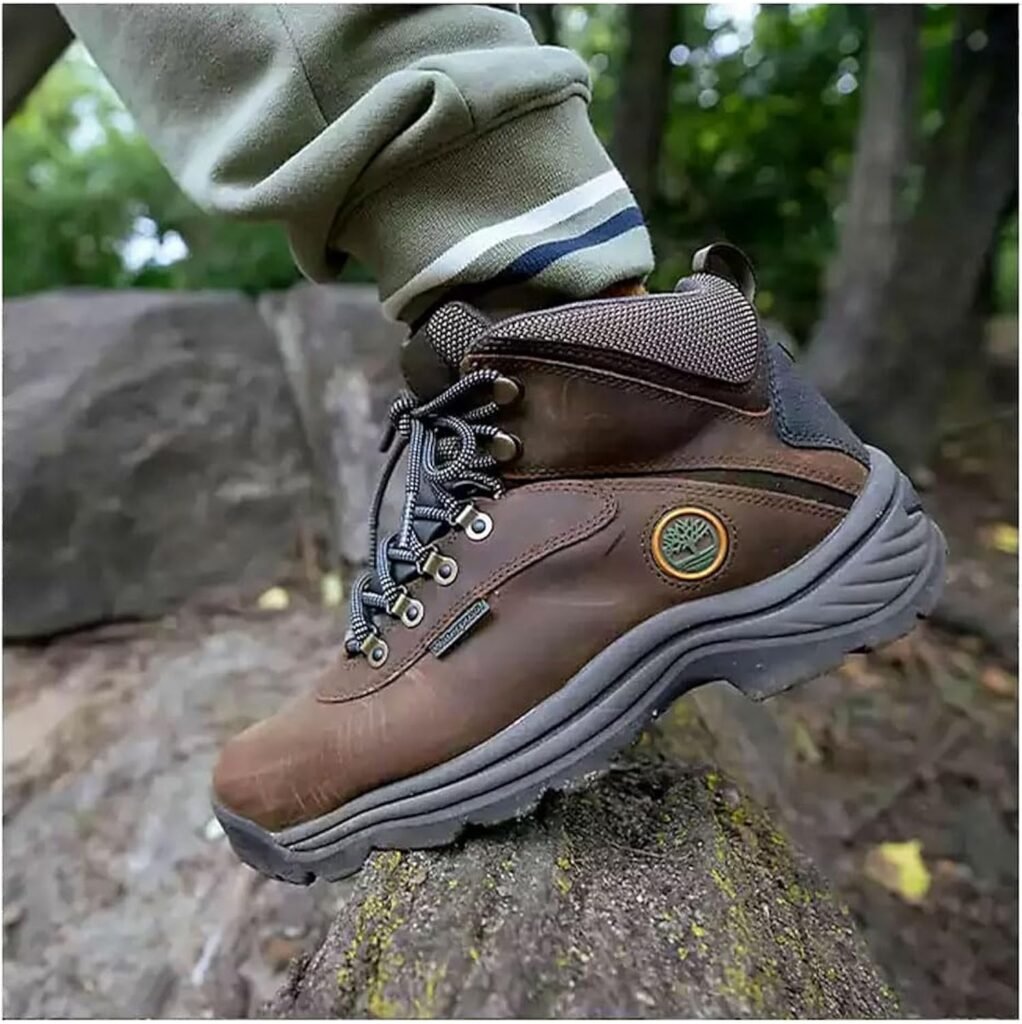
You’ll appreciate that these boots were built to keep your feet dry in rainy or damp conditions, with seam-sealed construction and premium waterproof leather. The fully gusseted tongue is a significant piece of the waterproofing puzzle, preventing water and grit from entering the laces area.
While these boots are not expected to keep your feet dry in deep water crossings, they perform well for muddy trails, wet grass, and light stream crossings. The construction aims to balance waterproofing with reasonable breathability for day-use.
How the waterproofing system works
You’ll find three main elements working together: the premium waterproof leather, seam-sealed construction, and the gusseted tongue. The leather acts as the primary barrier, seam sealing prevents water intrusion at stitching lines, and the gusseted tongue blocks entry through the lacing area.
Because the leather is permanently treated to resist water and seams are sealed, these boots maintain waterproofing even after extended use, though no boot is fully impervious to submersion. For sustained wet conditions, take care to dry and maintain them to preserve the water-repellent finish.
Breathability and moisture control
You’ll get decent breathability for a waterproof leather boot, but leather plus seam-sealing does limit airflow compared with mesh-heavy hiking shoes. Moisture management is good enough for day hikes, but if you’re hiking in very hot climates you may notice warmth and some sweat buildup.
Combining these boots with moisture-wicking socks and airing them out after use will help keep internal humidity under control. Over multiple-day hikes in warm weather, footwear with more mesh ventilation could be preferable.
Traction and stability in varied conditions
You’ll find the multi-directional lug pattern helps when you need bite while ascending, braking on descents, and maintaining control on side slopes. The solid rubber outsole performs well on dirt, gravel, and mixed trail surfaces.
On very slick wet rock or steep icy slopes, these boots won’t match the grip of dedicated approach shoes or winter-specific footwear with sticky rubber or crampon compatibility. For general trail use and moderate conditions, the traction is dependable.
Wet surfaces and rock
You’ll have reasonable confidence on wet roots and rocks with these boots, though exercise caution on very smooth, algae-covered surfaces. The lug spacing and rubber compound aim to shed mud while still providing surface contact to grip.
If you expect frequent wet-rock crossings or alpine talus, consider testing them on similar local terrain before committing to a multi-day route where technical traction is critical.
Loose dirt, mud, and snow
You’ll find the lug pattern clears small clumps of mud relatively well and provides stability on loose dirt. In light snow, the lugs bite sufficiently to keep you upright, but in packed snow or icy conditions you’ll need additional traction devices.
For deep mud or ice, pair these boots with appropriate traction aids or choose footwear specifically designed for those extremes.
Durability and construction quality
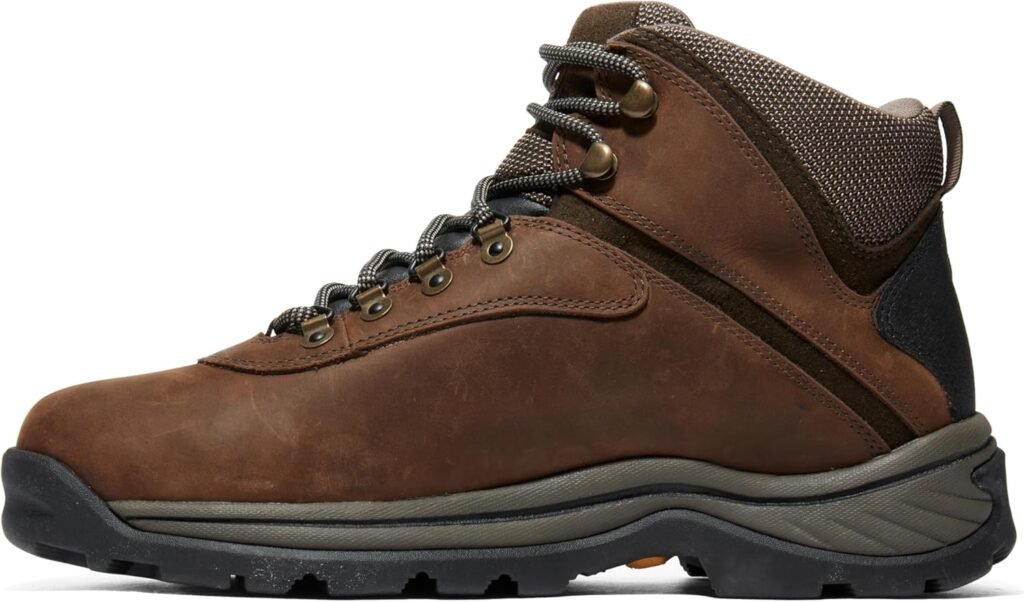
You’ll get robust construction in a boot that often lasts for multiple seasons with reasonable care. The leather upper, rustproof hardware, and solid outsole are all parts designed for longevity without being overbuilt.
Stitching and seam sealing in key stress areas help the boots withstand the usual wear and tear from hiking and everyday use. Regular maintenance like cleaning and conditioning will significantly lengthen their life.
Wear patterns and repairability
You’ll likely see the most wear on the outsole and the toe area over time, which is normal for hiking footwear. The solid rubber outsole is sturdy but not immune to abrasion; resoling is a potential option if the upper remains in good shape.
Because the hardware is rustproof and the stitching is substantial, you’re less likely to encounter sudden failures, and Timberland’s construction typically supports localized repairs such as sole replacement or stitching repair if needed.
Hardware and seam sealing
You’ll appreciate the rustproof, speed-lace hardware letting you rely on the lacing system through wet seasons without worrying about corrosion. Seam-sealed construction increases durability by protecting internal layers and stitching from constant moisture exposure.
This combination reduces the chance of seam breakdown that can cause water entry and structural weakness over time, contributing to long-term performance.
Use cases: where these boots shine
You’ll find these boots excel for day hikes, weekend trips, and everyday urban wear when weather or terrain is variable. They’re a great match if you want a versatile boot that’s comfortable for walking long distances and sturdy enough for trail demands.
Their classic Timberland look also makes them easy to wear around town without looking out of place, so you get a dual-purpose shoe for work commutes, rainy days, and light backcountry use.
Day hikes and short backpacking trips
You’ll love the balance of protection, support, and weight for single-day hikes and overnight trips. The mid-height gives you ankle protection, and the EVA midsole keeps your step cushioned across varied trail surfaces.
If you’re packing heavy loads or planning multi-day backpacking with lots of elevation change, consider stepping up to a more supportive backpacking boot with a stiffer sole and higher ankle.
Urban wear and commuting
You’ll appreciate that these boots look good in casual city settings while still offering waterproof protection on rainy commutes. They’re durable enough to handle city grit, puddles, and packed snow without sacrificing comfort.
Because they’re not overly technical in appearance, you can easily pair them with jeans or casual pants and keep one pair for both trail and town use.
Pros and cons
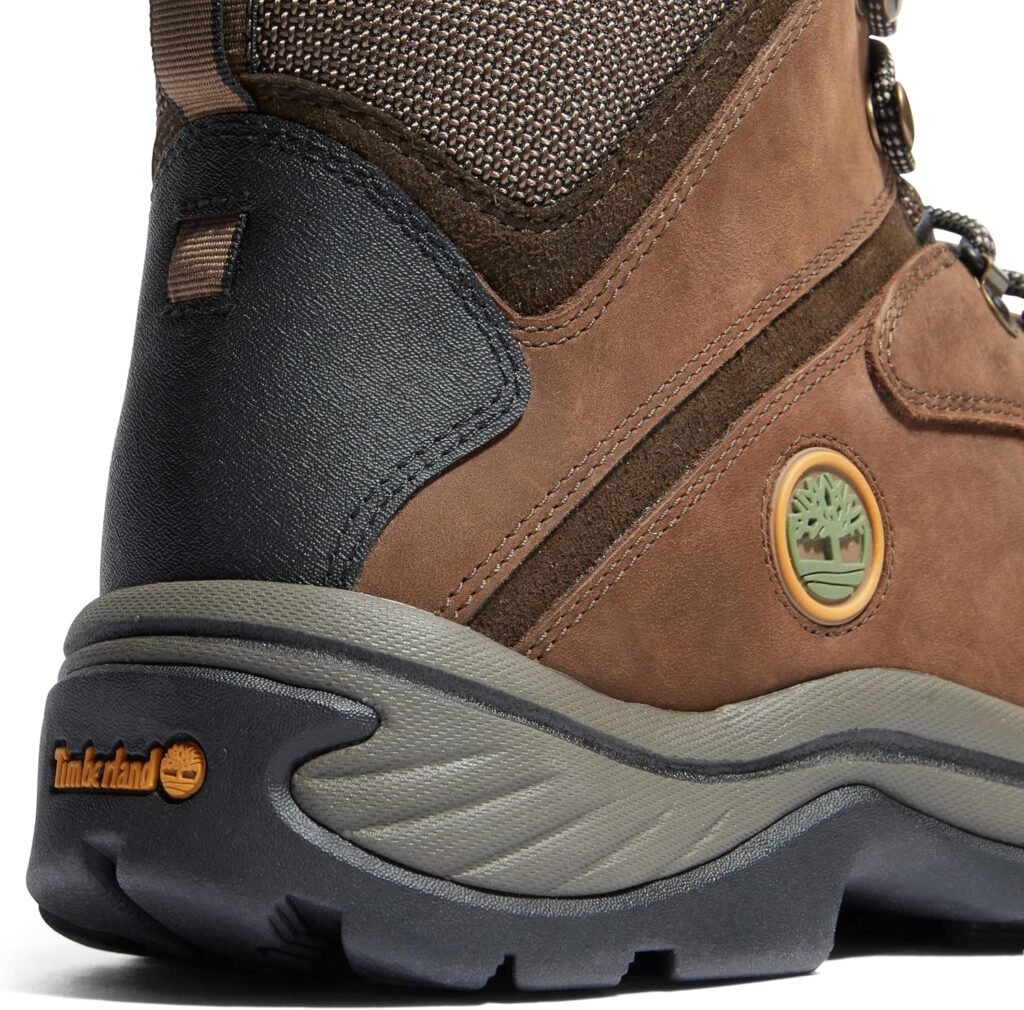
You’ll want a clear, balanced view before you buy, so here’s a candid assessment. This helps you weigh practical trade-offs against your specific needs.
Pros
- You’ll get reliable waterproofing thanks to the premium waterproof leather, seam-sealed construction, and gusseted tongue.
- You’ll enjoy a comfortable EVA footbed and midsole that suit long walks and everyday comfort without unnecessary bulk.
- You’ll benefit from durable construction and rustproof speed-lace hardware that extends the boots’ functional life.
- You’ll appreciate the versatile solid rubber outsole with multi-directional lugs for general trail traction and everyday use.
- You’ll get a classic, versatile look that works on and off the trail.
Cons
- You may find limited breathability in very hot climates due to seam sealing and leather upper.
- You might need aftermarket insoles if you have high arches or require specialized support for long hikes.
- You’ll encounter limitations on very technical terrain, wet rock, or icy slopes where specialized footwear would perform better.
- You could face a short break-in period where leather stiffness requires a few wears to soften.
How to care for your Timberland Men’s White Ledge Mid Waterproof Hiking Boots
You’ll extend the life and performance of these boots by cleaning, conditioning, and storing them correctly. A little maintenance preserves waterproofing and keeps leather supple.
Clean them with a soft brush and warm water after muddy hikes, dry them slowly away from direct heat, and apply a leather conditioner or wax recommended by Timberland to refresh water repellency. Regularly reapply a waterproofing treatment as the original finish wears off over time.
Cleaning steps
You’ll want to remove dirt with a stiff brush and spot-clean stubborn areas with a damp cloth and mild soap. Avoid machine washing or soaking the leather, and always let them air dry naturally at room temperature.
Remove the footbeds when drying to speed the process and prevent odor buildup. For salt-stained winter roads, gently wipe with a solution of water and vinegar to neutralize salt, then condition afterward.
Conditioning and reproofing
You’ll maintain water repellency by applying a leather conditioner or waterproofing wax periodically, especially after heavy wet use. Choose products recommended for waterproof leather and follow Timberland’s care guidance when possible.
Reapply treatment whenever you notice water no longer beads on the leather surface. Conditioning also prevents leather from drying and cracking over seasons.
Storage tips
You’ll prolong leather life by storing the boots in a cool, dry place out of direct sunlight, ideally with shoe trees or crumpled paper to maintain shape. Avoid damp basements and high-heat storage areas like car trunks.
If you’ve treated the leather with conditioners, ensure they’re fully set and dry before storing to prevent transfer or staining.
Comparisons and alternatives
You’ll want to compare these boots to other mid-priced hiking options to determine fit for your needs. Alternatives can offer different balances of breathability, weight, or technical performance.
Common comparisons include models from Merrell, KEEN, and Salomon; each brings different strengths like lighter weight, more aggressive outsoles, or superior ventilation.
Timberland vs. Merrell (e.g., Moab)
You’ll notice the Merrell Moab series often uses more mesh for breathability and a lighter design, while the Timberland White Ledge uses premium leather for durability and waterproofing. If your priority is ventilation in hot weather, Merrell may be better; if you want leather waterproof protection and classic styling, Timberland will suit you.
Merrells generally offer a softer, more cushioned feel out of the box, whereas Timberlands emphasize leather structure that molds over time.
Timberland vs. Salomon (e.g., Salomon X Ultra)
You’ll find Salomon focuses on technical performance with sticky rubber outsoles and aggressive lug patterns, typically favored for technical trails and wet rock. Timberland targets general-purpose hikers who want durability and waterproof leather with simpler maintenance.
If your routes include technical or steep, slippery terrain, Salomon’s technology may be worth the premium; if you want a dependable, versatile boot for everyday use and moderate trails, Timberland is often a better value.
Buying tips and sizing advice
You’ll make a smarter purchase by trying them on with the socks you plan to use and by testing fit for toe room and ankle lock. Always lace them up fully and walk on varied surfaces in-store if possible.
If ordering online, check the retailer’s return policy and read user reviews focusing on sizing. Some users suggest sizing up a half if you prefer extra space for thicker socks or if you expect significant downhill sections.
What to look for when trying them on
You’ll check for a thumb’s width of space at the toe when standing, a snug midfoot, and a secure but comfortable ankle area when laced. Walk a few steps, hop lightly, and pay attention to heel slip and pressure points.
If you feel pinching or hot spots, try a different size or width. If the boots feel roomy in the heel but good in the forefoot, adjust lace tension or consider an insole for a better fit.
When to size up or down
You’ll consider sizing up a half if you plan to use thick hiking socks, have wide toes, or expect frequent downhill braking that requires extra toe room. Size down only if you have very narrow feet and the boot’s fit runs large.
Remember that leather will stretch slightly and conform to your foot over time, so avoid choosing a size that’s painfully tight initially.
Real-world performance and testing notes
You’ll want practical impressions from trail use to understand how these boots behave beyond specifications. Tests typically reveal strengths in waterproofing and everyday comfort, with limitations on extended technical terrain.
On mixed trails featuring dirt, rock, and intermittent water crossings, these boots hold up well and keep your feet dry. You’ll appreciate the solid midsole response and steady grip in most conditions encountered on day hikes.
Trail testing: mixed terrain
You’ll enjoy a stable feel across compact trails and light scree, with lugs clearing mud effectively. The upper keeps water out during puddle crossings and retains shape after a day of hiking.
On more technical sections with exposed wet rock or narrow ledges, you’ll find the outsole less aggressive than premium technical shoes, and you’ll want to be mindful of foot placement.
Wet-weather and winter testing
You’ll find the seam-sealed construction holds up to prolonged wet conditions like rainstorms and soggy undergrowth, making them well-suited for unpredictable weather. In light snow, traction and insulation are adequate for short trips, but heavy snow and icy surfaces will reveal limitations.
For cold and icy tours, complement these boots with traction devices or opt for footwear designed for winter conditions.
Frequently asked questions (FAQs)
You’ll likely have practical questions about fit, maintenance, and capability; here are common ones answered succinctly.
Are these boots fully waterproof for stream crossings?
You’ll stay dry for shallow stream crossings and wet trails thanks to the premium waterproof leather and seam-sealed construction, but prolonged submersion can let water in. Treat them as waterproof for rain and splashes, not for wading knee-deep.
Can you resole these boots?
You’ll be able to resole them in many cases if the upper remains in good condition, although resolving depends on the specific wear and the cobbler’s capabilities. The solid rubber outsole is durable but replacement can extend the overall life.
How does the fit compare to other Timberland models?
You’ll find sizing similar to other Timberland mid boots, but minor differences in last shape and volume can occur. Trying them on or checking retailer sizing notes is a good idea if you’re switching from a different Timberland silhouette.
Are they suitable for heavy backpacking?
You’ll use them for short overnight trips or light loads comfortably, but for week-long backpacking with heavy packs you’ll likely want a stiffer, higher boot for better load distribution. These prioritize versatility and comfort more than stiff support for heavy loads.
Do they require special breaking-in?
You’ll experience a short break-in as the leather softens; wearing them for half-day walks and gradually increasing time will speed comfort. Conditioning the leather before use can also soften it slightly and bring moisture resistance.
Who should buy the Timberland Men’s White Ledge Mid Waterproof Hiking Boots?
You’ll choose these boots if you want a dependable, affordable waterproof hiking boot for day hikes, light overnight trips, and everyday use. They’re ideal for people who value durability, classic styling, and straightforward performance without specialized tech.
If your activities include long, technical hikes, heavy packs, or severe cold and ice, you might prefer a more technical boot. But for broad, practical use as an all-weather workhorse, these boots are a strong contender.
Ideal user profile
You’ll be a weekend hiker, commuter, or casual outdoors person who wants one solid pair for trails and town. You’ll appreciate waterproof protection, a supportive mid-height profile, and easy maintenance.
If you’re a thru-hiker or hardcore mountaineer, look for boots engineered for long-term load carrying and technical terrain instead.
Final verdict
You’ll find the “Timberland Men’s White Ledge Mid Waterproof Hiking Boots” to be a well-rounded choice if you want reliable waterproofing, solid construction, and everyday comfort at a reasonable price. They perform admirably for day hikes, wet conditions, and casual use while offering a classic look that works in many settings.
If your needs align with moderate trail use, wet-weather reliability, and durable leather construction, these boots are worth serious consideration. For specialized needs like technical rock work, extended backpacking, or high-heat breathability, consider comparing technical models before deciding.
Quick recap table for decision-making
You’ll get one final quick table to help you decide at a glance whether these boots fit your needs.
| Question | Short answer |
|---|---|
| Are they waterproof? | Yes — premium waterproof leather + seam-sealed construction + gusseted tongue. |
| Good for multi-day heavy backpacking? | Not ideal — designed more for day hikes and light overnight trips. |
| Best climate? | Cool to moderate; wet conditions are fine, hot climates less ideal. |
| Comfort out of the box? | Moderate — requires short break-in; cushioned EVA midsole is comfortable. |
| Durability? | High — solid leather, rustproof hardware, sturdy outsole. |
| Style suitability for town wear? | High — classic look works well for casual and urban outfits. |
If you’d like, you can tell me your primary activities (commuting, day hikes, long backpacking, winter treks), and I can recommend whether these boots are the best match or suggest alternatives tailored to your use.
Disclosure: As an Amazon Associate, I earn from qualifying purchases.