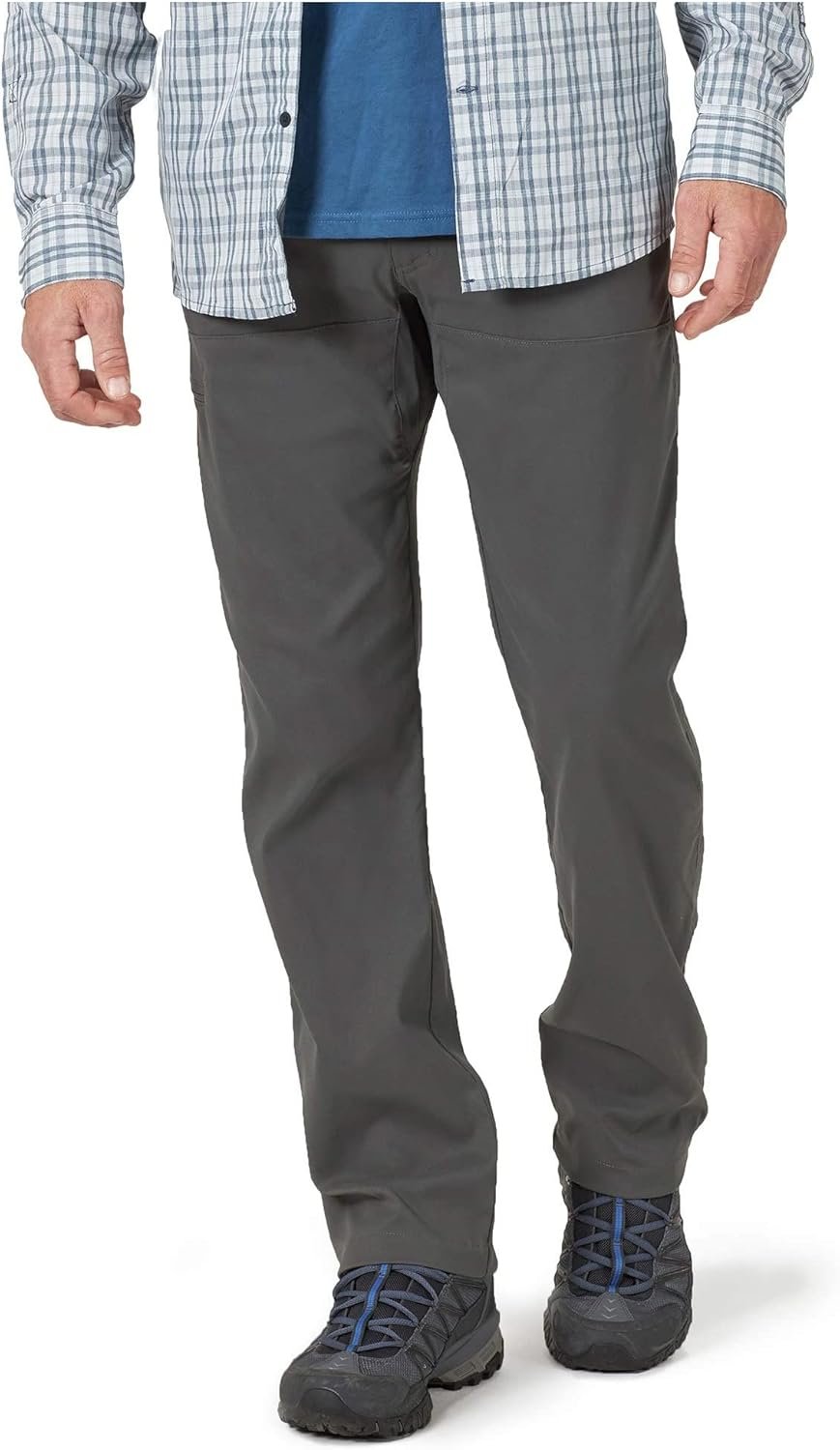
ATG Mens Synthetic Utility Pant review
? Looking for a reliable pair of utility pants that can handle work, weekend projects, and travel without slowing you down?

First impressions
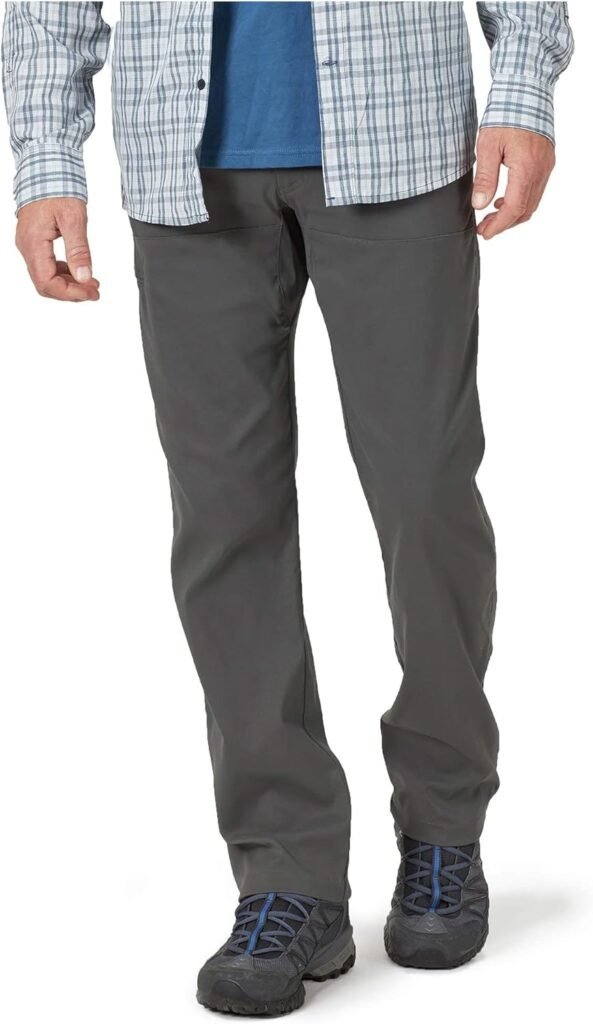
When you take the ATG Mens Synthetic Utility Pant out of the packaging, you’ll likely notice a clean, purposeful look that balances a work-ready aesthetic with everyday wearability. The silhouette usually reads as functional rather than flashy, and that first tactile feel often tells you a lot about flexibility and stretch.
Design and aesthetics
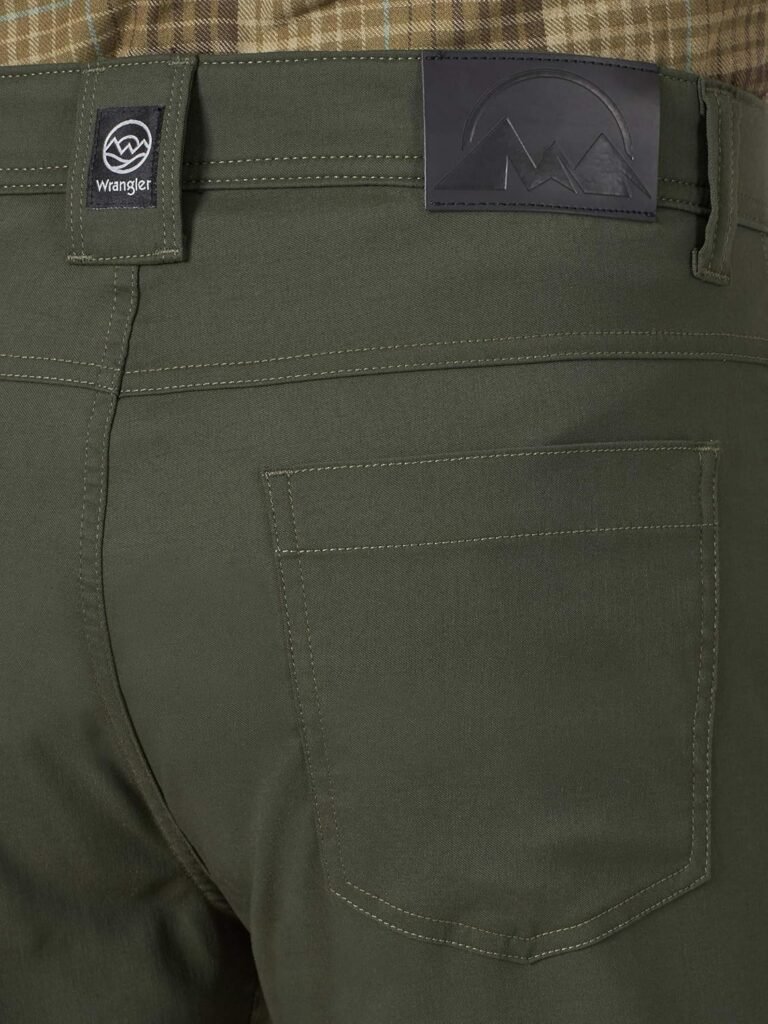
You can expect a straightforward design driven by utility: streamlined seams, reinforced areas at stress points, and a neutral color palette intended to match other work or casual items. The pants typically avoid unnecessary embellishments so you get a functional piece that still looks tidy on the job site or at the coffee shop.
Materials and construction
Because these are synthetic utility pants, the fabric is commonly a blend of nylon or polyester with a bit of elastane or spandex for stretch. That combination tends to deliver abrasion resistance, quick-drying performance, and freedom of movement. Stitching and reinforcements at the knees, seat, and pocket edges usually indicate whether a pair will stand up to heavy use; inspect those areas when you try them on.
Quick spec breakdown
This table helps you get a clear sense of the likely features and why they matter. If exact specifications are important, check the product page or tag because models may vary.
| Feature | Typical specification | Why it matters |
|---|---|---|
| Fabric | Nylon/polyester blend with elastane (stretch) | Durable, quick-drying, and comfortable for active movement |
| Fit | Regular to tapered with articulated knees | Balances workroom mobility with a cleaner profile |
| Reinforcements | Extra fabric at knees, seat, pocket openings | Extends lifespan of high-wear areas |
| Pockets | Multiple utility pockets, sometimes zippered or gusseted | Keeps tools and essentials secure and accessible |
| Waist adjustments | Internal elastic or button tabs | Helps fine-tune fit without changing belt size |
| Weather resistance | Water-repellent coating on some models | Sheds light moisture and stains for faster drying |
| Breathability | Moderate to good depending on weave | Keeps you from overheating during activity |
| Care | Machine washable, low dry heat recommended | Easy to maintain for regular use |
Fit and sizing
Fit can make or break whether these pants become your daily go-to. The ATG Mens Synthetic Utility Pant often runs true to size but with a cut meant to accommodate movement—think a bit roomier in the thigh and knee with a tapered lower leg. If you prefer a roomier fit, consider sizing up; if you like a tailored look, your usual size will often work.
Waist and rise
You’ll want to pay attention to rise (the distance from crotch to waistband) depending on how you wear your pants—higher for more coverage when bending and moving, lower if you prefer a modern, low-rise look. Many synthetic utility pants have a mid-rise that hits comfortably at or just below the natural waist, which is versatile for both work and casual wear.
Length and leg opening
The pant leg opening is often narrower than traditional cargos, which prevents fabric from catching on equipment or getting tangled during active work. If you plan to wear them over heavy boots, check the inseam or opt for a slightly larger size to ensure they aren’t too restricting.
Trying them on
When you try a pair, crouch, walk, and sit to see how the fabric behaves. You should feel unrestricted at the knee and hip. If the waistband cuts into you while sitting, consider a different fit or a larger size.
Comfort and mobility
Comfort is a big selling point for synthetic utility pants because the added stretch fabric allows you to move naturally. Whether kneeling to change a tire or climbing a ladder, the articulated panels and elastane blend are designed to enable that range of motion without fabric pulling or binding.
Breathability and temperature
Synthetic blends balance breathability and insulation depending on weave density. Lightweight, tighter weaves will block wind and perform better in cool conditions, while open weaves promote airflow for warmer climates. You should match the fabric weight to your typical work environment for the best results.
Pockets and utility features
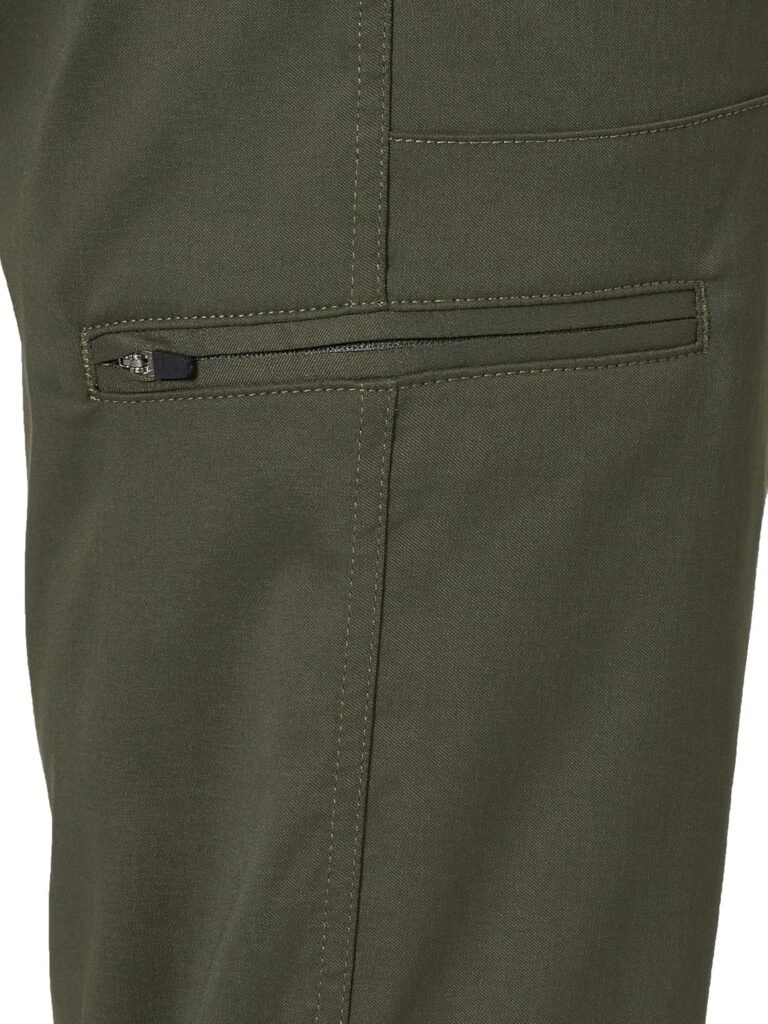
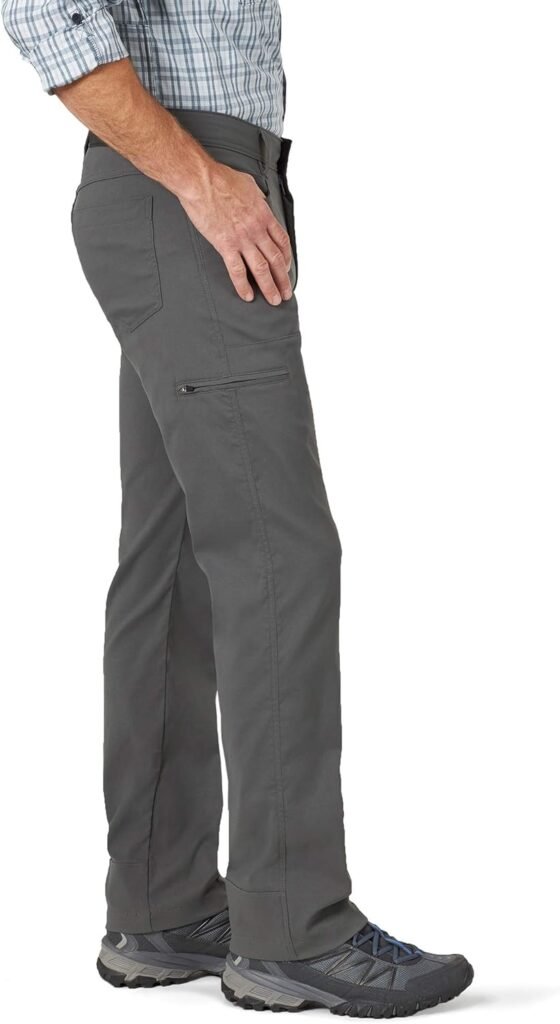
Pockets are the heart of a utility pant. The ATG Mens Synthetic Utility Pant usually offers several dedicated pockets: front hand pockets, reinforced tool pockets, back pockets, and sometimes a zip or flap-secured pocket for valuables. Some versions include specialized pockets for phones, knives, or tape measures.
Pocket placement and security
Well-placed pockets allow quick access without awkward reaching. Security features such as zippers, snaps, or flaps keep contents safe when you move. If you carry lots of small items, look for gusseted or expandable pockets so they don’t bunch up or restrict movement.
Tool loops and attachment points
If your work requires hanging small tools, a reinforced hammer loop or D-ring attachment can be a helpful addition. These features tend to be subtle but meaningful if you frequently use them on the job.
Durability and long-term wear
Synthetic fabrics, especially nylon and tightly woven polyesters, perform well against abrasion and maintain shape better than cotton in many work settings. Reinforced seams and double-layered panels at stress areas are good indicators the pants will last.
Stitching and seam quality
Quality stitching means fewer popped seams and a longer lifespan. Pay attention to bar tacks—the short, tight stitches used at pocket corners and other high-stress areas. If bar tacks or double stitching are present, you’re likely looking at a more durable pair.
Abrasion and tear resistance
Synthetic fibers resist scuffs and tears more readily than cotton, but heavyweight usage—like frequent contact with rough surfaces—can still wear fabric down over time. Reinforcements at the knees and seat help distribute and reduce wear.
Weather performance
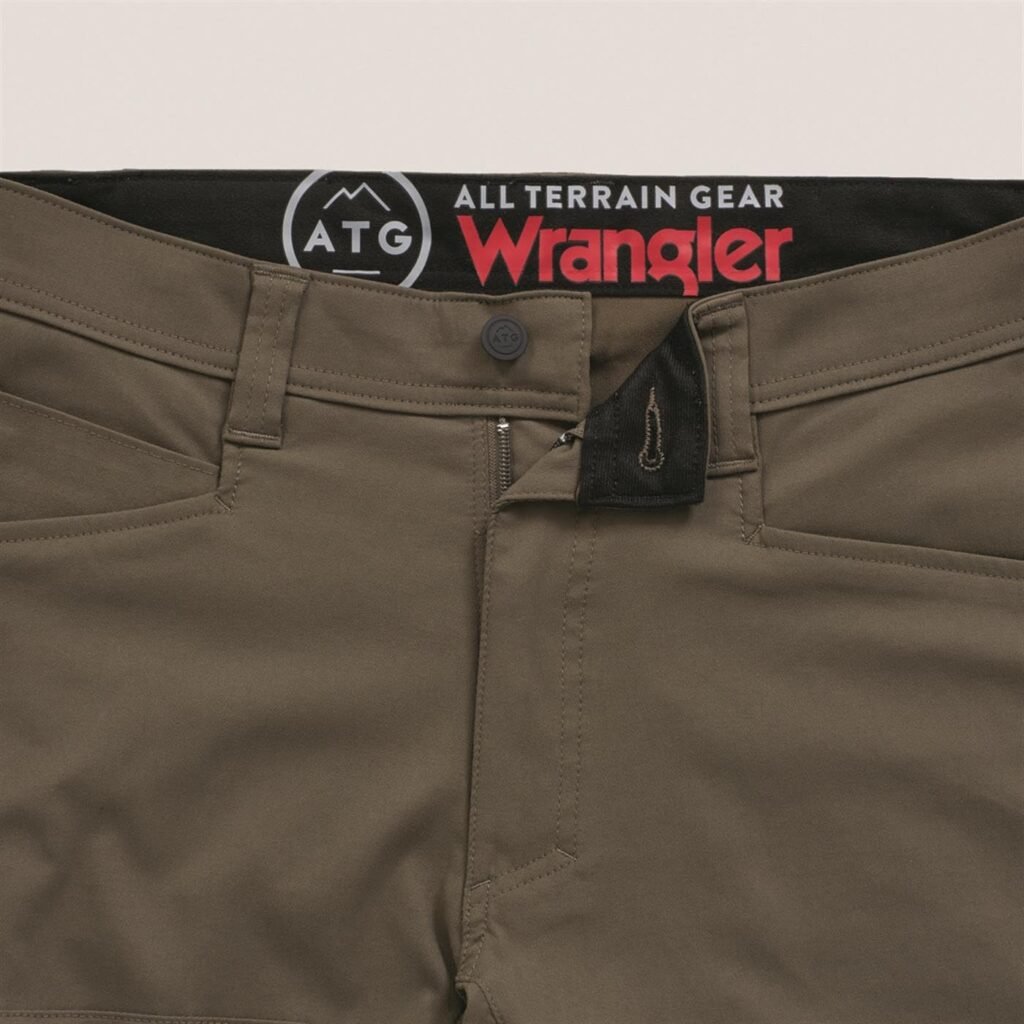
Depending on the finish and fabric weight, these pants can handle light rain and wind better than cotton pants. A DWR (durable water-repellent) finish sheds surface moisture and keeps you drier during sudden showers, though heavy downpours will soak through eventually.
Cold-weather performance
In cooler conditions, a tightly woven synthetic fabric can block wind better than looser cotton weaves, helping retain warmth. Layering under these pants is often the more versatile approach—thin thermal baselayers add insulation without overheating when you’re active.
Hot-weather performance
For hot and humid environments, choose a lighter-weight nylon or polyester blend with moisture-wicking properties. Synthetics dry quickly and pull sweat away from your skin, which helps regulate body temperature when you’re moving a lot.
Care and maintenance
Synthetic pants are typically easy to care for. Machine wash in cold water to preserve any water-repellent treatments and minimize heat exposure. Tumble dry on low or hang to dry; high heat can degrade elastane and cause shrinkage or loss of stretch.
Removing stains and retaining DWR
If the pants feature a DWR finish, avoid fabric softeners and bleach as they strip the coating. If DWR performance diminishes over time, you can refresh it with commercial DWR spray treatments or machine-washable reproofers designed for synthetics.
Repair and reinforcement
Small rips and seam failures can often be repaired with fabric patches or a sewing kit for quick field fixes. For larger tears, professional alterations or patching may be needed to maintain strength and appearance.
Use cases: where these pants shine
These pants are adaptable, making them a strong candidate if your days mix physical work with errands, travel, or outdoor activities.
Construction and trade work
You’ll appreciate the reinforced areas and functional pockets on job sites. The narrower leg opening prevents snagging on equipment, while the synthetic fabric resists stains and dries faster than cotton, saving time between shifts.
Outdoor activities and hiking
The lightweight, quick-drying nature of synthetic utility pants makes them capable hiking companions for day trips and variable weather. They provide mobility and protect against brush and rough terrain more reliably than thin cottons.
Travel and everyday wear
If you travel frequently, these pants can be versatile go-to pieces due to their wrinkle resistance and quick-drying nature. The neutral aesthetic also pairs well with casual shirts and jackets, making transitions between activities seamless.
Style and how to wear them
These pants balance function and form, so styling is simple. For a work-ready look, pair them with a fitted work shirt or hoodie and sturdy boots. For a casual outing, swap the boots for sneakers and add a simple tee or lightweight flannel.
Layering and outerwear
Because they’re not overly bulky, you can layer without feeling constricted. A thin insulating layer underneath in cold conditions or a breathable shell over the top in wet weather works well.
Pros and cons
Below are common strengths and limitations you’ll likely encounter with the ATG Mens Synthetic Utility Pant.
Pros
- Comfortable stretch for unrestricted movement.
- Quick-drying and easy-care fabric.
- Reinforced stress points increase lifespan.
- Multiple secure pockets and utility features.
- Versatile for work, outdoor activity, and travel.
Cons
- Synthetic fabrics can feel slick compared with cotton for some people.
- Heavier duty work might require thicker, canvas-style pants in extreme abrasion situations.
- DWR coatings may wear off and require re-treatment.
- Sizing and fit can vary between styles—try before you buy if possible.
Comparing the ATG Mens Synthetic Utility Pant with other pant types
Understanding how this pant stacks up against alternatives helps you make an informed choice.
Versus traditional denim jeans
Denim is tough and familiar, but it absorbs moisture and takes longer to dry. The synthetic utility pant offers more stretch, faster drying, and often better mobility. If you need heavy abrasion resistance for extreme conditions, top-weight denim might still be preferable.
Versus classic cargo pants
Cargo pants deliver big pocket capacity but can be bulky and loose. The ATG-style synthetic utility pant tends to be sleeker with more targeted storage and a modern fit that avoids excess fabric while maintaining utility.
Versus softshell or technical hiking pants
Softshells often provide better wind resistance and water repellency, while hiking pants can have more ventilation options. The ATG synthetic pant occupies the middle ground—durable enough for work, technical enough for active pursuits, and comfortable enough for everyday wear.
What to look for when buying
If you’re shopping for the ATG Mens Synthetic Utility Pant, focus on a few key areas to match your needs.
Fabric weight and stretch
Choose a fabric weight appropriate for your climate and tasks. More stretch gives better mobility but can sometimes mean lighter-weight fabric—decide which matters more for your use.
Reinforcements and seam construction
Check for double-stitched seams, bar tacks at stress points, and reinforced panels at knees and seat. These features significantly extend the usable life of the pants.
Pocket configuration and secure closures
Think about how you carry your tools and gadgets. Look for zippered or snap-secured pockets for valuables and gusseted pockets for bulkier items.
Fit preference and intended footwear
Decide whether you need a boot-compatible length and leg opening. Measure with the shoes or boots you expect to wear most often for accurate fit.
Sizing tips and measurements
Getting the right size will keep the pants functional and comfortable. Measure your waist at the natural waistline and your inseam from crotch to the desired hem. If you fall between sizes and prefer mobility, size up; if you want a trim look, stay with your usual size.
| Body measurement | How to measure | Sizing tip |
|---|---|---|
| Waist | Measure around the narrowest part of your torso | If you carry tools at the hip, allow 1–2 in for comfort |
| Inseam | Measure from crotch to desired hem | Try on with usual footwear for accurate length |
| Hip | Measure around the fullest part of your hips | Useful if you have wider hips or prefer a relaxed fit |
| Thigh | Measure around the fullest part of your thigh | Choose a size that allows comfortable bending and kneeling |
Practical performance tests to try before you buy
When you have the pants in hand, run a few simple tests to judge suitability.
- Mobility test: crouch, kneel, and squat to see if seams pull or fabric binds.
- Pocket test: load every pocket with what you usually carry and move around to check comfort and security.
- Wear test: walk briskly or climb stairs to see how breathability and stretch perform.
- Water test: sprinkle a bit of water on the fabric—if it beads, a DWR finish is likely present.
Care: washing, drying, and longevity
Extend the life of your pants by following best practices. Wash in cold or warm water, avoid bleach and fabric softeners that degrade DWR, and tumble dry low or hang to dry. Address small tears early with patches or sewing to prevent them from growing.
Refreshing water repellency
If you rely on a DWR finish, plan to refresh it after several washes. Use store-bought DWR products or sprays following the manufacturer’s instructions to restore water-shedding performance.
Who should consider the ATG Mens Synthetic Utility Pant?
You should strongly consider these pants if you need a balance between practical work features and everyday comfort. They’re a great option for tradespeople, outdoor enthusiasts, frequent travelers, and anyone who dislikes stiff, heavy fabrics.
Ideal for
- People who need mobility and quick-drying fabrics.
- Those who value sleek functionality and secure storage.
- Users who want an all-around pant for mixed work and casual tasks.
Less suitable for
- Situations requiring heavyweight canvas or denim for extreme abrasion.
- Those who prefer natural fibers exclusively for feel or environmental reasons (though many synthetics are recyclable or made from recycled content—check labels).
Accessories and complementary gear
Match these pants with sturdy boots, a belt suited for tools if you carry a holster, and moisture-wicking base layers for colder conditions. A lightweight shell or durable work jacket pairs well for variable weather.
Environmental considerations
Synthetic fabrics are often petroleum-based, but many brands are shifting to recycled polyester or nylon. If environmental impact matters to you, check whether the manufacturer uses recycled fibers or sustainable manufacturing practices.
Final verdict
If you want a versatile, hardworking pant that keeps up with active days and adapts from job site to casual settings, the ATG Mens Synthetic Utility Pant is a compelling option. It typically brings stretch, quick-drying performance, and well-thought-out utility features that meet the needs of modern workers and outdoorsy types. Just be mindful of fit, fabric weight, and care instructions to ensure you get a pair that lasts and performs how you expect.
If you’d like, tell me what you plan to use the pants for (work type, climate, footwear), and I can recommend a size and specific features to prioritize.
Disclosure: As an Amazon Associate, I earn from qualifying purchases.