
Travel East Tennessee • Fishing getaways
Plan a fishing trip worth staying for
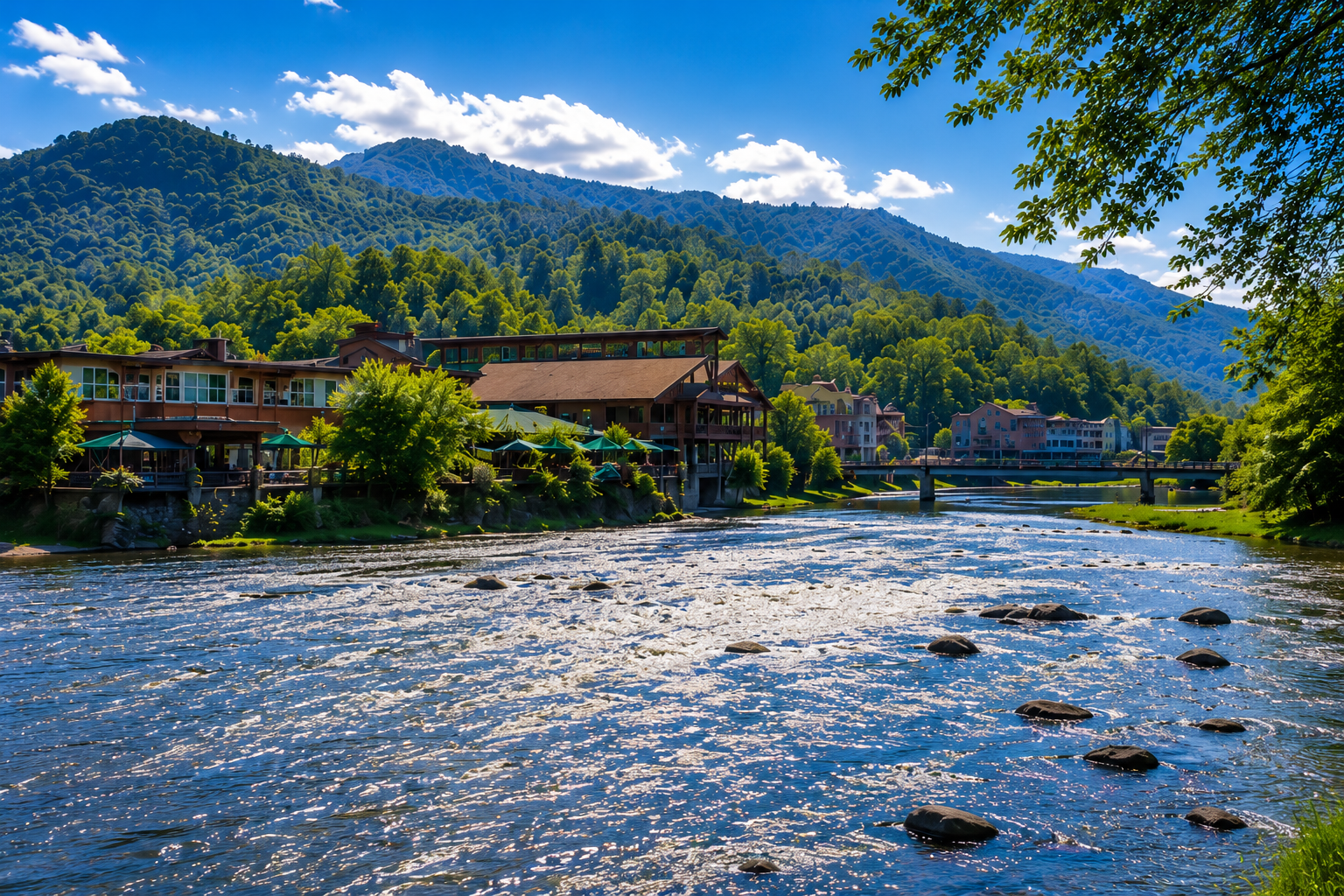
Spend part of your Gatlinburg vacation beside a mountain stream, then return to a comfortable hotel for dinner and a relaxing evening. This guide helps you choose a fishing spot, sort out licenses, and find a place to stay that fits the trip.
Fishing information checked October 10, 2026.
Fishing in Gatlinburg offers two different experiences: managed trout waters in town and wild-fish streams in Great Smoky Mountains National Park. Start by deciding which experience you want. That choice determines your access, tackle, and licensing—not just where you cast.
Disclosure: Hotel booking links in this guide are affiliate links through Stay22. We may earn a commission if you book through them, at no additional cost to you.
Taking the kids?
Start with the designated children’s fishing areas at Mynatt Park or Herbert Holt Park. Read the posted boundaries before choosing a spot.
Plan a family outing →Want mountain streams?
Consider a national park outing, with artificial tackle and a plan for parking, weather, and stream conditions.
Compare the rules →Making a weekend of it?
Choose your fishing area first, then compare hotel locations and the total cost for your dates.
Find your home base →Choose your water
Where to fish in Gatlinburg and nearby
These are starting points for planning, rather than promises of a catch. Public access, posted boundaries, and current conditions should guide your final choice.
| Location | Consider it for | Access & planning |
|---|---|---|
| Mynatt Park / LeConte Creek | A short outing with younger children | Creekside park with paths, play areas, and picnic space. Use the signed children’s section. |
| Herbert Holt Park | Children’s fishing and accessible facilities | Near Gatlinburg’s north entrance; children’s stream, accessible pier, and trout facility. |
| West Prong of the Little Pigeon River | Fishing in town | Designated city reach runs from the park boundary to Gnatty Branch; exclude children’s sections. |
| Roaring Fork / Dudley Creek | Exploring other designated city streams | Confirm the regulated reach and a legal public entry point before fishing. |
| Little River at Metcalf Bottoms | A national park fishing and picnic day | Riverside picnic area on Little River Road. National park regulations apply. |
Mynatt Park: pair fishing with a family picnic
The advantage here is having more to do than fish. Children can take a break at the playground, and your group can bring lunch instead of making the whole day depend on a bite. Creek access does not make every stretch suitable for every angler; follow the children’s-area signs and keep an adult close to the water.
Herbert Holt Park: a fishing-focused family stop
This park includes a children’s fishing stream, an accessible fishing pier, and Gatlinburg’s trout rearing facility. Before a visit involving mobility needs, confirm the current condition of the route and pier with the city. Facilities and usable access can change after storms or maintenance.
Find Herbert Holt Park on the map
City streams: check access as carefully as the fishing rules
A stream running beside a road, restaurant, or hotel does not automatically give you permission to cross that property. Look for public entry points, avoid blocking businesses or driveways, and ask before using a private bank. Use TWRA’s stream boundaries to distinguish city water from national park water.
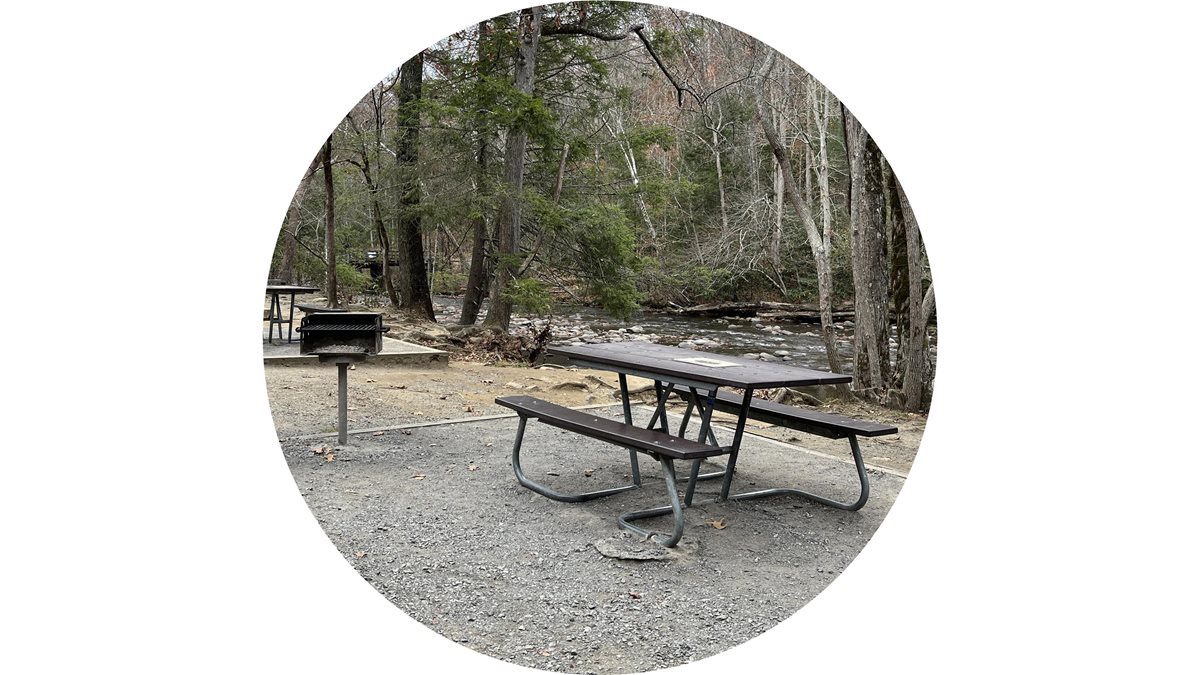
Metcalf Bottoms: make room for a park day
Little River at Metcalf Bottoms is a practical option for combining fishing and a picnic. Save the location before leaving town, check road and facility notices, and build in time for the drive. A picnic area is convenient, but slippery banks and current still require care.
Find Metcalf Bottoms on the map
Location sources: Gatlinburg’s city parks guide , TWRA’s designated streams , and NPS Metcalf Bottoms information .
Before you cast
Gatlinburg fishing licenses and permits
Do not confuse the one-day Gatlinburg Trout License with the Gatlinburg Trout Permit. They serve different purposes.
| Option | Listed price | What it means |
|---|---|---|
| 1-Day Gatlinburg Trout License | $11 | Standalone option for residents or nonresidents fishing one day in Gatlinburg. |
| 1-Day Gatlinburg Trout Permit | $3 | Supplemental permit for ages 13–64; requires a base fishing license. |
| 3-Day Gatlinburg Trout Permit | $9 | Supplemental permit for ages 13–64; requires appropriate fishing licenses. |
These are TWRA’s published prices, not a guaranteed checkout total. Confirm eligibility, required license combinations, and any transaction fees before paying. The standalone city license does not cover a national park outing.
For fishing inside Great Smoky Mountains National Park, anglers 16 and older need a valid Tennessee or North Carolina fishing license. A trout stamp is not required there. Purchase before entering the park.
Buy licenses through Tennessee’s official portal
Sources: TWRA license descriptions and fees and NPS fishing license requirements . Check the official eligibility details for children, seniors, and exemptions.
Know the difference
Gatlinburg city fishing rules versus national park rules
| Rule | Gatlinburg-managed streams | National park streams |
|---|---|---|
| Hours | 30 minutes before sunrise to 30 minutes after sunset; closed Thursdays. | 30 minutes before sunrise to 30 minutes after sunset in open waters. |
| Tackle | One hand-held rod; single hook. | One hand-held rod; artificial single-hook flies or lures; no bait or treble hooks. |
| December 1–March 31 | Release all trout immediately; no trout possession or bait. Single-hook flies, spinners, or spoons only; permitted dropper-fly exception. | National park rules continue; check current closures. |
| April 1–November 30 | Bait allowed; five trout daily in general streams, two in children’s streams. | Five trout/smallmouth combined; seven-inch minimum. Stop fishing at the limit. |
The national park also prohibits possessing bait or liquid scent along a park stream while carrying fishing tackle. Remove bait from your fishing bag before crossing into the park.
This comparison covers key trip-planning rules. Read the full TWRA Gatlinburg regulations and NPS fishing regulations , including possession limits and exceptions, before fishing.
Fishing in Gatlinburg with kids
Designated children’s streams are for ages 12 and under, unless otherwise posted. Adults should not fish those sections simply because they are accompanying a child. Confirm the exact boundaries on arrival.
For a first outing, keep the plan small: one location, a snack break, and enough flexibility to leave while everyone is still having fun. Teach children to look behind them before casting and stay away from another angler’s hook.
- Pack a spare dry outfit, drinking water, sun protection, and a small towel.
- Use closed-toe shoes and supervise children beside the water.
- Plan a playground or picnic break so a slow fishing day still feels worthwhile.
- Check the season’s tackle restrictions before buying bait.
Choose a hotel with the family features you will actually use. Breakfast arrangements, bed configuration, and room space can matter more than a balcony view when you are getting children ready for an early outing.
Turn an outing into a getaway
Where to stay for a Gatlinburg fishing trip
A good fishing hotel is a useful home base: a manageable drive to your chosen water, somewhere to dry your gear, and a comfortable room after a day outside. Compare locations before chasing the lowest advertised rate.
| Base | Why consider it? | Check before booking |
|---|---|---|
| Downtown Gatlinburg | Fishing plus restaurants and attractions in the same trip. | Hotel parking, walking routes, and the public access point you intend to use. |
| Gatlinburg’s north entrance | A base to consider for Herbert Holt Park outings. | Map the route; a nearby property is not necessarily an easy walk. |
| Cherokee Orchard Road area | A hotel stay with mountain scenery and trips out by car. | Hills, trolley arrangements, and drive time to the water. |
| Townsend | An alternative base if your plans center on Little River. | Whether changing towns fits the rest of your vacation. |
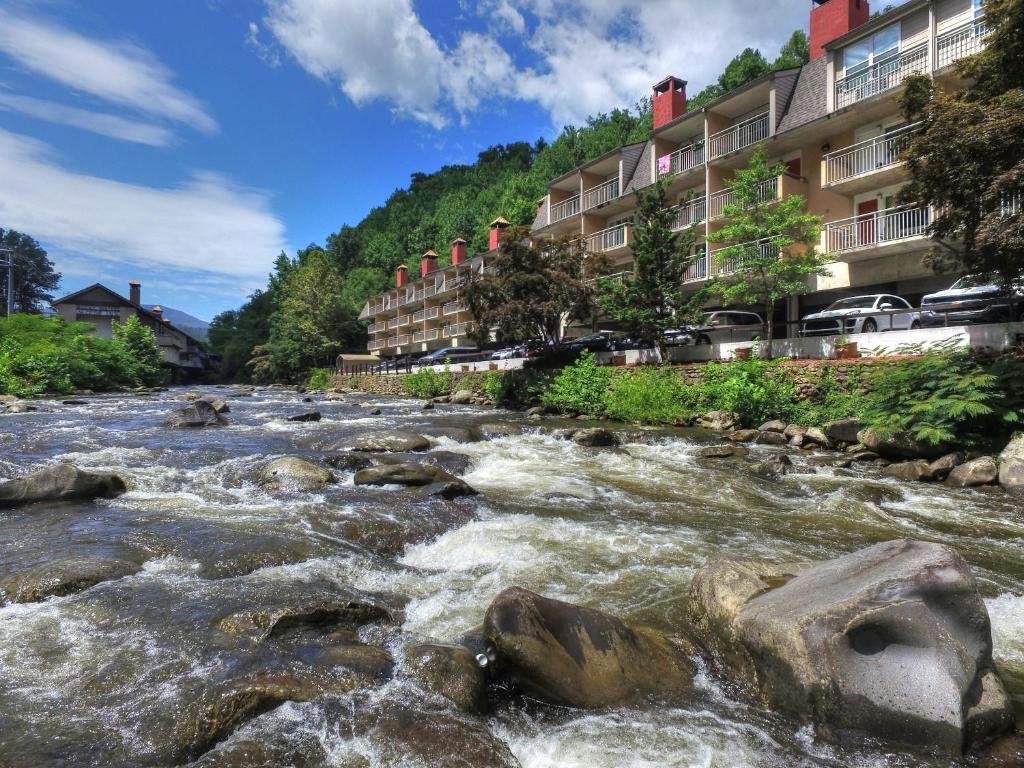
Gatlinburg River Inn
Include this property in your comparison if you like a river setting. Start with our hotel review, then check the current room choices and total price for your dates.
Before booking: Confirm your room’s view, parking arrangements, and the route to your fishing location.
Greystone Lodge on the River
A downtown option at 559 Parkway, across from Ripley’s Aquarium and Anakeesta. The hotel offers balcony or patio rooms, with river views in many room categories.
Before booking: Select the room category carefully and confirm seasonal amenities for your travel dates.
The Park Vista – DoubleTree
A mountain-view option on Cherokee Orchard Road with private balconies. Consider it when you want a hotel retreat between fishing outings and time around town.
Before booking: Plan transportation to your fishing spot and check the room type and current amenities.
These buttons open lodging searches centered on the named property; they do not guarantee that property’s availability or an exact-property booking page.
What to check in a fishing-trip hotel
- Full stay cost: Compare taxes, parking charges, and cancellation terms alongside the room rate.
- Morning routine: Check breakfast hours or plan somewhere to eat before leaving.
- Wet gear: Ask where boots and equipment may be stored or dried.
- Room choice: Verify bed configuration, refrigerator availability, and whether a view costs extra.
- Flexibility: Consider cancellation terms if weather could change the trip.
Find a stay for your fishing getaway
Enter your destination and travel dates to check our lowest rates through TravelEastTN.com.
Browse more Gatlinburg hotel reviews or compare Townsend stays for a Little River trip.
Keep preparation simple
What to bring—and when to book a fishing guide
Start with gear that is legal for your chosen water. A small tackle kit that you understand is more useful than a bag full of equipment you have never tried.
Fishing essentials
A suitable rod and line, legal single-hook tackle, pliers, and a landing net. Carry your license documentation and protect your phone from water.
Day-out essentials
Drinking water, snacks, weather layers, sun protection, and secure footwear. Bring a dry change of clothes for the return to your hotel.
Trip essentials
Save your route, park notices, and regulations before leaving. Tell someone where you are going and when to expect you back.
New to fly fishing? Ask a local outfitter
Smoky Mountain Angler is a Gatlinburg fly shop and guide service at 469 Brookside Village Way. Its trips include different fishing settings, so tell the shop whether you want a beginner lesson, a family outing, or a mountain-stream experience.
Smoky Mountain Fishing Co. is another regional guide service to compare, particularly if you are considering a lake or river trip beyond central Gatlinburg.
Before reserving, ask what equipment is included, which licenses you need, the meeting location, the cancellation policy, and whether the activity fits everyone’s mobility and experience. Obtain a current quote directly rather than relying on an old advertised rate.
Be cautious around moving water
Wet rocks are slippery and mountain rain can change water levels quickly. Avoid wading when conditions are uncertain, supervise children, and leave the water if weather deteriorates. Keep fish wet during release, handle them gently, and pack out line and litter.
When should you plan a Gatlinburg fishing trip?
Choose dates around the experience you want and the conditions you can safely handle. Season alone cannot predict a successful fishing day.
- Spring: Allow room for weather changes and check stream levels before committing to a location.
- Summer: Combine a shorter outing with family activities; ask local outfitters about current water conditions.
- Fall: A fishing getaway can also include leaf viewing. Compare lodging for your exact dates before finalizing plans.
- Winter: Pack for cold conditions and review the city catch-and-release tackle restrictions.
For a budget-conscious trip, compare a weekday stay with a weekend stay using the same room type and cancellation conditions. The difference varies by travel dates—there is no universal cheapest night.
A flexible starting plan
A two-night Gatlinburg fishing weekend
This suggested itinerary leaves time for the rest of your vacation. Adjust it for the season, weather, and each angler’s experience.
Friday: arrive and prepare
Check into your hotel, confirm your fishing location, and sort out licenses before dinner. Review the next day’s forecast, save directions, and assemble legal tackle. If you need advice, contact the outfitter before its closing time.
Saturday: make fishing the main outing
Families can plan a short children’s-stream visit followed by lunch and a park break. Anglers wanting a national park experience can arrange a guided outing or a carefully planned Little River visit. Keep an alternate activity ready if the water is unsafe.
Sunday: one more short outing or a relaxed departure
If conditions and your license allow, fit in another session before heading home. Otherwise, enjoy breakfast and a scenic stop. Leave time to pack and follow your hotel’s checkout requirements.
Gatlinburg fishing FAQs
Can I fish in Gatlinburg on Thursday?
Gatlinburg-managed streams are closed Thursdays for stocking. An open national park stream is a separate option, with its own license and tackle requirements.
Do I need both a Tennessee license and a Gatlinburg permit?
The supplemental city permits require appropriate fishing licenses. TWRA also offers a standalone one-day Gatlinburg Trout License. Choose based on your age, eligibility, and where you will fish.
Can adults fish in the children’s areas?
Children’s streams are designated for ages 12 and under unless otherwise posted. Follow the signs; accompanying a child does not automatically allow an adult to fish there.
Can I fish from my hotel’s riverbank?
Ask the property for permission and access information. A room beside a river does not establish public access or waive fishing requirements.
Should I stay in Gatlinburg or Townsend?
Consider Gatlinburg for a trip combining town activities and fishing. Compare Townsend if Little River is your main destination. Map your planned outings before selecting a hotel.
Is a fishing guide necessary?
A guide can help with technique, access planning, and equipment choices, especially on a first mountain-stream trip. Ask about the setting and difficulty before booking.
Official resources to check before your trip
Save these pages and review current notices before leaving your hotel. This guide is researched trip-planning information, not a claim that every location or hotel has been personally tested.
- TWRA: Gatlinburg stream boundaries and trout regulations
- TWRA: license options, eligibility, and published fees
- City of Gatlinburg: fishing information
- NPS: fishing regulations and water safety
- NPS: current road and facility conditions
- NPS: parking tags and exemptions
- Gatlinburg: city park facilities
Pick your water, confirm your license and tackle, and choose a hotel that makes the rest of your getaway easy.