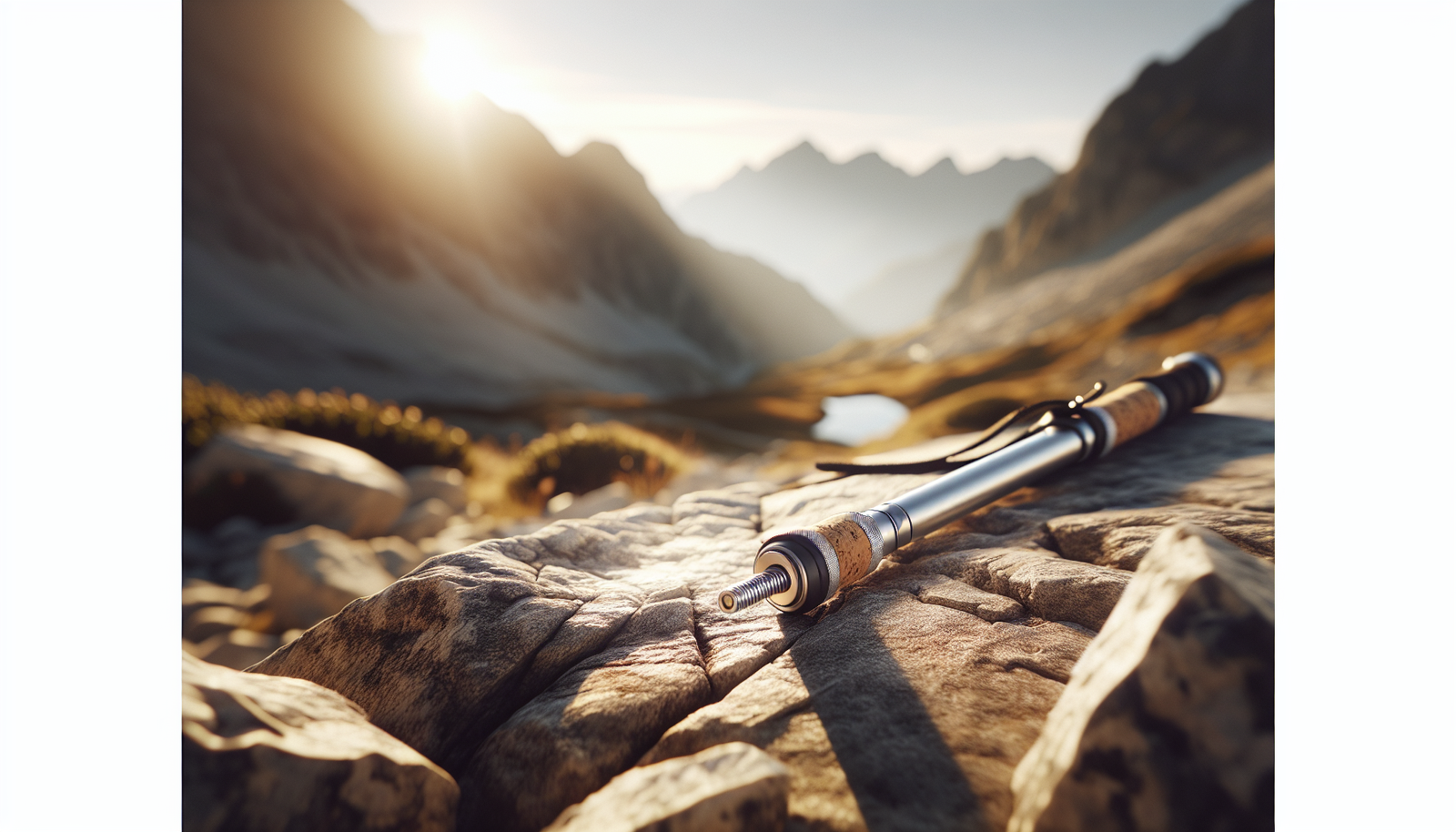
TrailBuddy Trekking Poles review
Are you ready to choose trekking poles that actually make your hikes easier, lighter, and more reliable?

Product Summary
You’re looking at the TrailBuddy Trekking Poles – Lightweight 7075 Aluminum Hiking Poles for Women, Men & Seniors – Collapsible Walking Sticks for Travel, Trails & Balance. These poles are marketed as durable, travel-friendly, and adaptable for a wide range of users, from kids to grandparents, and from casual walkers to serious hikers.
Key Specifications
Below is a quick breakdown of the essential specs so you can see the numbers at a glance. These specs will help you compare the TrailBuddy poles with other options and determine whether they match your needs.
| Feature | Details |
|---|---|
| Material | 7075 aircraft-grade aluminum |
| Weight per pole | 9.7 ounces (approx. 275 g) |
| Max length | 54 inches (137 cm) |
| Collapsed length | 24.5 inches (62 cm) collapsed; 21 inches when disassembled |
| Minimum length | 24.5 inches when collapsed |
| Lock type | One-hand lever locks |
| Handle | Cork, moisture-wicking |
| Straps | Padded, adjustable |
| Tips | Threaded steel tips with removable accessories |
| Use cases | Hiking, Nordic walking, trail running, trekking (senderismo = hiking) |
| Age suitability | Kids 7+ to seniors |
| Colors | 8 colorways (e.g., Aqua Blue, Berry Pink, Raven Black) |
| TSA-friendly | Yes (foldable, carry-on compatible) |
Build Quality and Materials
You want poles that won’t fail mid-hike, and TrailBuddy emphasizes longevity. The poles use 7075 aluminum, an alloy designed for high strength-to-weight performance, which gives you confidence that they’ll hold up during rugged use.
The finish and assembly feel solid in hand, with components that fit snugly and move smoothly. There’s a noticeable difference between cheap aluminum poles and this aircraft-grade alloy in terms of stiffness and perceived durability.
7075 Aluminum Frame
7075 aluminum is commonly used in aviation and high-stress applications, so you’re getting a material that resists bending and fatigue better than standard aluminum alloys. That means these poles remain reliable under heavier loads and in rough conditions.
If you plan multi-day hikes or regular outings, the material choice makes the poles less likely to deform or develop weak spots compared with lower-grade aluminum.
Weight and Strength
At about 9.7 ounces per pole, these are light for aluminum trekking poles, striking a good compromise between durability and portability. You’ll notice less arm fatigue over long distances compared with heavier aluminum poles.
While carbon fiber can be lighter, it often sacrifices durability on hard impacts; with the TrailBuddy poles you keep most of the lightness without leaving strength behind.
Adjustability and Locking Mechanism
You want easy and reliable length adjustments on the trail, and TrailBuddy uses one-hand lever locks to set pole height. These are easier to operate with gloves or cold hands compared with two-handed twist locks.
Lever locks are fast and secure if properly tightened, and they generally outperform twist locks in repeated use since they don’t rely on internal thread friction.
Lever Locks vs Twist Locks
Lever locks let you change length quickly, and you can do it while balancing on uneven ground. Unlike twist locks, they won’t slowly slip if a thread strips or wears down, so you get consistent performance.
That said, lever locks can get dirty and may need occasional cleaning; they also protrude slightly so you should watch for snags if packing tightly.
Collapsed Length and Travel-Friendliness
When collapsed down to 24.5 inches, and 21 inches when disassembled, these poles fit into many backpacks and carry-ons. That makes them genuinely travel-ready for flights and multi-mode trips.
If you often take plane trips or need to stow poles in cramped gear, the compact folded length is a major advantage.
Handles and Straps
Handles and straps are where comfort and control meet, and these poles use moisture-wicking cork handles with padded straps to give you a secure grip. Cork molds to your hand over time and reduces hot spots that cause blisters.
The straps are adjustable and padded so you can lock your hand in and let the strap take some load when needed, which is helpful on long ascents or when carrying weight.
Cork Handles
Cork handles wick sweat and soften with use, creating a personalized feel that reduces slipping and skin irritation. You’ll appreciate cork on warm days and long tours.
Unlike cheap foam, cork also resists odor and lasts longer under repeated exposure to moisture and sweat.
Padded Straps
The straps are thick enough to provide wrist support without being bulky. You can wear them higher or lower depending on whether you prefer more wrist assistance or a looser grip.
Properly used straps can reduce strain on your hands and forearms, and they help prevent you from dropping a pole when you need both hands free briefly.
Pole Tips and Accessories
You get threaded tips that keep accessories attached, and TrailBuddy includes basic rubber tips and baskets for snow or mud. Threaded tips are a practical design because they don’t pop off under pressure like friction-fit tips sometimes do.
Having removable baskets and tip covers means you can adapt the poles to the conditions quickly without improvising on the trail.
Threaded Tips and Extras
The threaded tips also mean you can replace tips separately if you wear them down, which extends the life of the poles and saves money over replacing an entire pole. Accessories stay put in snow and muck because of the secure thread design.
If you like customizing gear, threaded tips give you the flexibility to upgrade to different tip styles for specialized terrain.
Performance on Different Terrains
You want poles that can function across a range of surfaces, and these hold up well on hard-packed trail, loose scree, and forest floor. The stiffness of 7075 aluminum helps when you plant poles on rocks or roots, giving immediate feedback and stable support.
On steep sections, poles reduce knee strain and give you leverage for push-offs, while on technical descents the poles improve balance and foot placement judgment.
Rocky Trails and Rooty Paths
On jagged rock and roots, you’ll appreciate stiffness and precise feel, and the TrailBuddy poles transmit ground conditions clearly. You’ll use them to probe for stability and to steady your forward momentum.
Be mindful that repeated hard strikes on sharp rock edges will wear tips faster, so use rubber tips or avoid aggressive striking when possible.
Snow, Mud, and Wet Conditions
In snow or deep mud, the included baskets and threaded tips help you maintain purchase and avoid sinks that make you slip or fatigue faster. The cork handle remains comfortable even when your gloves or hands are damp.
If you often hike in snow, consider carrying larger snow baskets for very soft conditions; the poles’ threaded system makes that swap simple.
Nordic Walking and Trail Running
These poles work for more than just hiking; they’re useful for Nordic walking to increase upper-body engagement and for trail running when you need stability on technical downhills. The quick lever locks allow you to shorten or lengthen on the go.
For fast-paced activities, practice using the straps and short pole settings so you don’t hinder your cadence.
User Experience and Comfort
You’ll feel a difference quickly if you’re upgrading from cheap poles: better locks, nicer handles, and more consistent lengths. Comfort comes from the combination of lighter weight, cork grip, and adjustable straps.
If you have joint issues, the poles offer reliable support so you can keep hiking longer and feel more confident on uneven ground.
Seniors and Stability
If you’re an older adult, the poles are designed to give you extra stability without being heavy or complicated. The one-hand lever locks are particularly helpful if grip strength is reduced.
They can reduce fall risk and lessen load on sore knees, which makes staying active more accessible.
Kids and Family Use
The poles collapse small enough to fit younger kids from about age 7 and up, so the whole family can benefit from added balance. You can adjust lengths quickly as kids grow or if multiple people share poles.
Having family-sized gear that’s durable reduces the need for constant replacement and enables inclusive outdoor time.
Travel and Packing
You want hassle-free packing, and these poles fold small enough for many backpacks and carry-on luggage. Their 21-inch disassembled length is ideal for TSA carry-on rules in many cases.
Because they’re compact, you can bring them on international trips without worrying about checking bulky sports equipment.
TSA-Friendly and Backpack Fit
You’ll find it easier to stash these poles in side pockets or strapped to the outside of packs. Their compact stow size helps you fit them with other essentials without bulking up your kit.
If airline rules change, check your carrier’s specific guidelines, but most trips should be fine with these foldable poles.
Carry-On and Air Travel Tips
When flying, pack pole components inside a soft sleeve or wrap them in clothes to prevent scratching other gear. Keep small accessories like baskets and rubber tips in a zip pouch so they don’t get lost during security checks.
If you disassemble them, keep screws and tips together — nothing ruins a trip faster than missing small parts.
Comparison with Competing Poles
You’re likely weighing aluminum against carbon options and different lock systems; this model balances durability and weight better than many budget aluminum poles. Carbon is lighter but more brittle in hard-impact situations.
If you want something that won’t break easily and still saves weight, TrailBuddy occupies a good middle ground.
Aluminum vs Carbon Poles
Aluminum poles are generally tougher in impact situations; they may bend rather than snap, which often means you can still use them or repair them. Carbon poles are lighter and vibrate differently, but they can fail catastrophically on hard impact.
TrailBuddy’s 7075 aluminum aims to give you aluminum’s reliability with less weight penalty.
TrailBuddy vs Other Lever Lock Poles
Compared with other lever-lock aluminum poles, TrailBuddy stands out for its 7075 alloy and compact folded size. You’ll also notice the quality of cork handles and threaded tips, which aren’t standard on every budget pole.
If you prioritize travel compatibility and material grade over minimal grams, TrailBuddy is a sensible choice.
Pros and Cons
You want transparent pros and cons before committing, so here’s an honest list to help you decide. These points summarize strengths and trade-offs based on user needs and typical trail conditions.
Pros:
- Strong 7075 aluminum construction for durability.
- Lightweight for aluminum poles at about 9.7 oz each.
- Easy one-hand lever locks for quick adjustments.
- Cork handles that wick moisture and mold to the hand.
- Threaded tips and removable accessories for versatility.
- Compact folding size that’s travel-friendly and TSA-compatible.
- Suitable for a wide age range, including kids and seniors.
- Multiple color options to suit personal style.
Cons:
- Slightly heavier than many carbon fiber poles.
- Lever locks can collect dirt and may need periodic cleaning.
- Rubber tips and baskets may need replacement over heavy use.
- Not as light as premium carbon models for ultralight backpackers.
- Lever locks protrude slightly, which may snag in tight packs if not stored properly.
Sizing and How to Set Height
Getting the right height matters for comfort and biomechanics, and these poles adjust quickly so you can fine-tune for walking, hiking, or running. Incorrect height can cause strain, so set them deliberately.
A common method for sizing: set the pole so your elbow forms a 90-degree angle when you hold the grip with your arm at your side and your forearm parallel to the ground. This is a good starting point for level terrain.
Step-by-Step Height Adjustment
- Stand upright with shoes on and arms relaxed at your sides.
- Bend your elbow to 90 degrees while gripping the handle as if walking.
- Extend or shorten the pole sections using the lever locks until the 90-degree angle is achieved.
- Tighten levers with firm pressure, but avoid over-torquing.
- If walking uphill, shorten the poles 5–10 cm; for downhill, lengthen them slightly for better support.
If you share poles among family members, the quick lever locks make re-adjusting between users fast and convenient.
Maintenance and Care
You’ll want these poles to last, so simple maintenance goes a long way: rinse off mud and grit after dusty or wet outings, wipe down lever locks, and let them dry fully before storage. This prevents internal corrosion and keeps moving parts functional.
Periodically check threaded tips, tighten any loose fittings, and replace worn baskets or rubber tips as needed. Proper care extends lifetime and performance.
Cleaning and Drying
Rinse poles with fresh water after salty or muddy conditions, and use a soft brush to remove stuck dirt. Open the lever locks periodically to let any trapped moisture evaporate.
Avoid leaving poles collapsed while wet for long periods; extended moisture inside the sections can promote corrosion.
Replacing Parts
Because the tips are threaded, you can replace them without special tools, and replacement baskets or tip covers are typically inexpensive. If a lever lock becomes damaged, many outdoor shops or online retailers offer replacement parts.
Keeping a small repair kit (extra tips, screw, and a tiny multi-tool) in your pack can save a hike if a small failure occurs.
Safety Tips and Proper Use
Using poles correctly reduces injury risk and improves efficiency, so practice planting the pole opposite your leading foot for rhythm and balance. You should avoid hyperextending your wrists or relying entirely on poles; they’re a support, not a crutch.
When crossing streams or unstable surfaces, make deliberate, stable placements and be mindful of pole tip bite—sudden slips can unsettle your balance.
Walking Technique
For level ground and moderate uphills, plant poles slightly behind the leading foot and push down to engage upper body muscles. For descents, plant in front to slow forward momentum and protect knees.
Practice alternating pole and foot motion to find a comfortable cadence; effective pole use reduces fatigue and improves endurance.
Preventing Damage
Avoid repeatedly striking poles against hard metal or rock surfaces with full force. Use rubber tips when walking on pavement to reduce tip wear and protect surfaces.
Store poles indoors and out of extreme sunlight when not in use; UV and heat can degrade some handle materials and straps over time.
Who Should Buy These Poles?
If you want a durable, travel-ready pole that works for the whole family and multiple activities, these are an excellent fit. They’re especially good for hikers who want aluminum strength without heavy weight and for travelers who need compact gear.
If you’re an ultralight enthusiast or need the absolute lightest poles for long-distance speed hiking, you might prefer carbon options; otherwise these offer great versatility and value.
Price and Value
You’re paying for a set of poles that balance durability, comfort, and travel convenience, which often represents good value compared with cheaper aluminum or more expensive carbon options. The 7075 alloy and quality features make them a smart mid-range purchase.
Think of it as investing in a tool that reduces strain, increases stability, and lasts longer than the lowest-cost alternatives.
Colors and Personalization
You can pick from eight colorways including Aqua Blue, Berry Pink, and Raven Black so your poles match your style or stand out on the trail. Color choice is a small but meaningful detail if you share gear and want to tell poles apart quickly.
Consider brighter colors if you want visibility in group hikes, or darker tones if you prefer a low-profile look.
Practical Scenarios and Use Cases
You’ll find the poles are useful in these typical scenarios: steep mountain day hikes, extended multi-day treks, snowy winter walks, airport travel for international trekking trips, and casual Nordic walking sessions. The poles adapt to each use without requiring different equipment.
If you alternate between hiking and travel frequently, their compact fold and durable construction make them a practical single-pair solution.
Real-World Durability
Users report that 7075 aluminum takes a real beating without giving out—bends more than it snaps—so you can often continue using a bent aluminum section in emergencies until you can repair or replace it. That reliability matters when you’re far from help.
Rubber tips and baskets eventually wear, so plan to replace consumables, but the pole shafts and handles should hold up through years of regular use with proper care.
Environmental and Ethical Notes
Aluminum manufacturing has environmental costs, but durable equipment reduces the need for frequent replacement, which can lower long-term waste. Choosing gear that lasts is one small step toward more sustainable outdoor habits.
If sustainability is a priority, pairing durable poles with conscientious repair and recycling habits is a positive approach.
Final Verdict
If you want a robust, travel-friendly pair of poles that balance light weight, strength, and comfort, the TrailBuddy Trekking Poles are an excellent choice. They’re particularly well-suited for families, travelers, seniors, and anyone who wants reliable support without carrying carbon prices or dealing with fragile materials.
They won’t replace ultra-light carbon options for speed-focused thru-hikers, but for most users who value durability, comfort, and convenience, these poles deliver strong performance and value.
Frequently Asked Questions (FAQ)
How do the lever locks hold up in cold weather?
Lever locks generally perform well in cold conditions but can stiffen if ice builds up in the mechanism. You should clear ice and use a little isopropyl alcohol to remove moisture if they freeze.
Can you replace a single pole if it gets damaged?
Yes, most manufacturers (and third-party sellers) offer replacement parts for sections or tips, and threaded components make swapping parts straightforward. Check the retailer or TrailBuddy support for compatible components.
Are these poles suitable for snowshoeing?
Yes, the poles are suitable for snowshoeing, especially with the included baskets and threaded tips that stay attached in snow and slush. For deep powder, larger snow baskets can improve flotation.
Will the cork handles wear out quickly?
Cork handles tend to wear gracefully and often outlast foam; they also wick moisture and resist odors, so they generally remain comfortable for a long time. Replace handles only if they degrade significantly, which typically takes years of heavy use.
Can kids really use these poles?
Kids age 7 and up can use the poles as long as you adjust the height properly. Because they collapse small and adjust easily, they’re convenient for growing kids or families sharing gear.
Are these poles suitable for ultralight backpacking?
If your top priority is saving every gram, carbon poles will typically be lighter. However, TrailBuddy’s 7075 aluminum is close to a sweet spot for many hikers who want durability and reasonable weight.
How easy is it to pack the poles in a carry-on?
They fold down compactly and disassemble to about 21 inches, which fits most carry-on requirements. Pack tips and small accessories in a pouch and protect the poles from scratching other items.
What maintenance should I do after salty or muddy hikes?
Rinse poles in freshwater, open lever locks to dry the inner sections, and apply light lubrication if recommended by the manufacturer. Store dry and check threads and tips for corrosion or wear.
If you want, I can compare the TrailBuddy poles directly against one or two specific pole models you’re considering, or help you pick the correct length settings for your height and preferred activities. Which would you prefer?
Disclosure: As an Amazon Associate, I earn from qualifying purchases.